For many people, an MRI scan is a routine medical test. For others, simply thinking about being inside the scanner can trigger intense anxiety. If you’ve searched for claustrophobia view from inside MRI machine, you may be trying to understand what the experience is really like or looking for reassurance before an upcoming appointment.
Magnetic Resonance Imaging: When it’s an Alternative to standard X-Rays And CT Scans An MRI is the machine that can paint a clear picture of muscles, joints, nerves, other soft tissues and internal organs within your body. Where X-Rays and other imaging machines use the potentially hazardous ionizing form of radiation, MRIs use magnetic energy and radio frequency to get those highly detailed images without. While undergoing an MRI itself is generally not uncomfortable (just loud!), many people suffer claustrophobia and the design of traditional MRI machines can be daunting. But what can you expect and how to cope when facing these fears?
What Does the Inside of an MRI Machine Look Like?
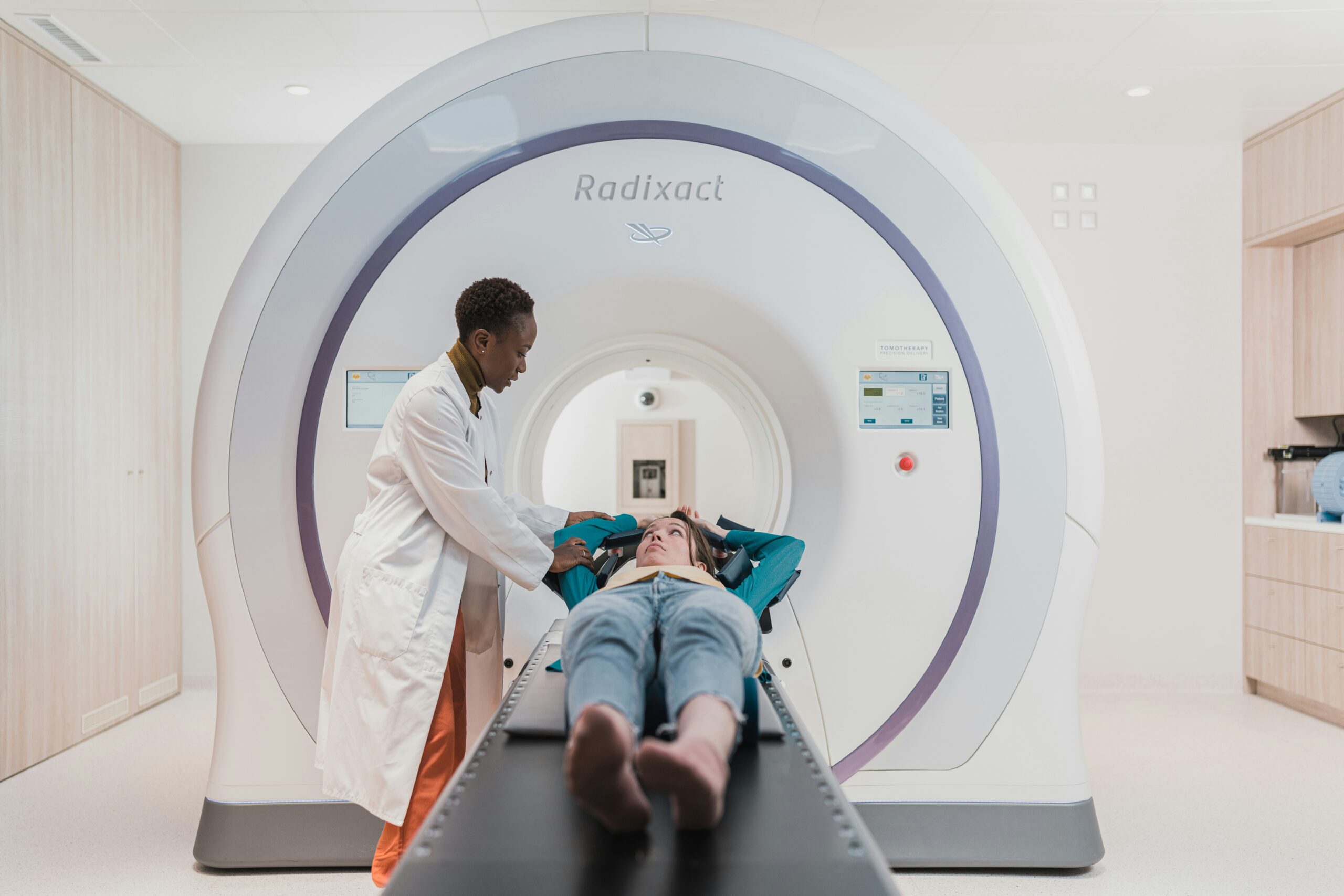
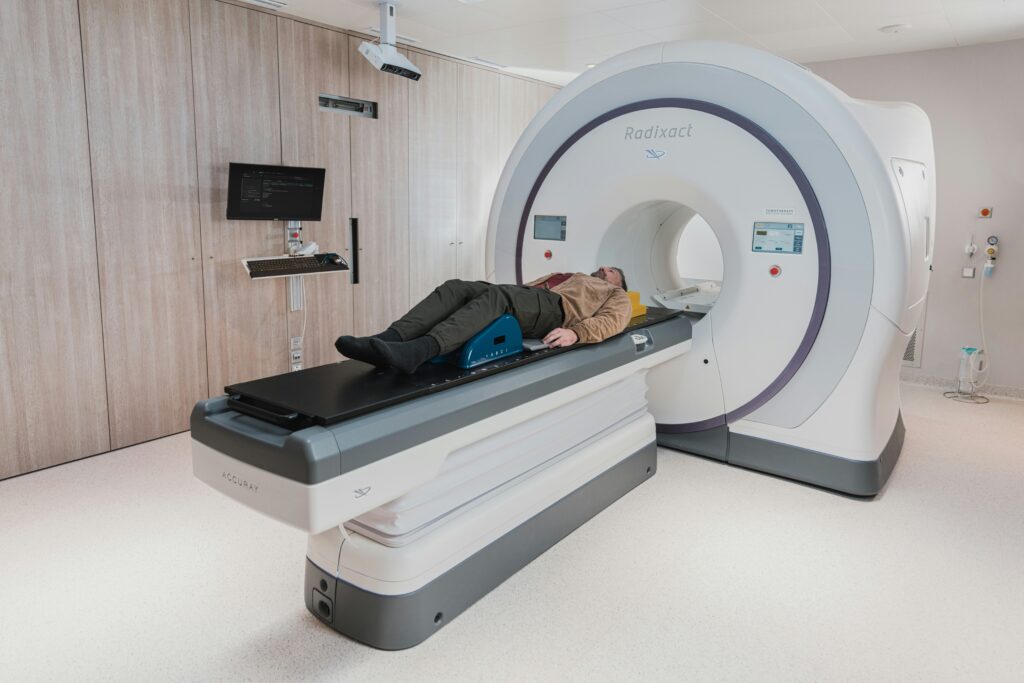
A traditional MRI scanner is shaped like a large cylinder with a tunnel running through its center. During the scan, you lie on a padded table that slowly moves into the opening.
Depending on the part of your body being examined, your head, shoulders, or upper body may be positioned inside the tunnel.
When people search claustrophobia view from inside MRI machine, they’re often wondering exactly what they’ll see.
Inside the scanner, you may notice:
- A smooth, rounded tunnel above and around you.
- Bright interior lighting.
- A relatively small amount of space between your body and the inside of the scanner.
- Ventilation openings that help circulate air.
- Built-in speakers or an intercom system in many facilities.
While the space can feel enclosed, you are continuously monitored by MRI staff throughout the examination.
Why Does an MRI Trigger Claustrophobia?
Claustrophobia is a fear of being in small, enclosed, or confined spaces.
Inside an MRI scanner, several factors may contribute to this feeling:
- Limited space around your body.
- Remaining still for an extended period.
- Loud knocking or tapping sounds from the machine.
- Not being able to see the room clearly.
- Feeling a temporary loss of control.
- Worry about the procedure or possible results.
Not everyone experiences these feelings, but they are common enough that imaging centers are accustomed to helping anxious patients.
What Does It Feel Like Inside?
Everyone experiences anxiety differently.
Some people describe the claustrophobia view from inside MRI machine as feeling like they are inside a narrow tunnel. Others say they become more aware of their breathing or feel the urge to move.
Common sensations include:
- Feeling enclosed.
- Increased awareness of the space around you.
- Faster heartbeat.
- Sweaty palms.
- Muscle tension.
- Racing thoughts.
- Mild dizziness caused by anxiety rather than the MRI itself.
It’s important to remember that these sensations are typically related to anxiety—not to the MRI machine causing physical harm.
How Long Are You Inside the MRI?
The amount of time varies depending on the type of examination.
Some MRI scans take approximately 15 to 30 minutes, while more detailed studies may last 45 to 60 minutes or longer.
Your technologist can usually provide an estimated scan time before the procedure begins.
Knowing how long the examination will take often helps reduce uncertainty.
What Do the Noises Mean?
What Do the Noises Mean? Learning about MRI scan noises explained can help reduce anxiety before your appointment.
One of the biggest surprises for first-time patients is how loud an MRI machine can be.
During the scan, you may hear:
- Knocking.
- Buzzing.
- Clicking.
- Thumping.
- Rhythmic tapping.
These sounds are produced by the MRI’s internal components as images are captured. They are completely normal and indicate that the scanner is working properly.
Most facilities provide earplugs or headphones to reduce the noise.
Can You Communicate During the Scan?
Yes.
Although the MRI room is separate from the control area, the technologist can usually see and hear you throughout the procedure.
Many MRI centers provide:
- A two-way intercom.
- An emergency call button or squeeze bulb.
- Regular verbal check-ins.
- Instructions before each imaging sequence.
If you become too uncomfortable, you can let the technologist know.
Tips to Reduce Claustrophobia Before Your MRI
Preparation can make a significant difference.
Helpful strategies include:
- Learning what to expect before the appointment.
- Asking how long the scan will take.
- Wearing comfortable clothing if permitted.
- Practicing slow, steady breathing.
- Getting there a few minutes early helps reduce the stress of rushing.
- Discussing any history of claustrophobia with your healthcare provider before the appointment.
Many people find that knowing the details of the procedure helps reduce fear of the unknown.
Practical Ways to Stay Calm During the MRI
If you’re worried about the claustrophobia view from inside MRI machine, there are several techniques that many people find helpful during the scan.
Focus on Your Breathing
Slow, controlled breathing can help reduce physical symptoms of anxiety.
Try this simple pattern:
- Breathe in slowly through your nose for four seconds.
- Hold your breath briefly if comfortable.
- Breathe out gently through your mouth over a period of six seconds.
- Repeat throughout the scan.
Focusing on your breathing can shift your attention away from the enclosed space.
Keep Your Eyes Closed
Some people feel more comfortable closing their eyes before the table moves into the scanner.
By avoiding the visual reminder of the tunnel, many patients find it easier to relax and imagine being somewhere else.
Visualize a Relaxing Place
Mental imagery is another useful technique.
Imagine:
- Walking along a quiet beach.
- Sitting beside a peaceful lake.
- Hiking through a forest.
- Relaxing in your favorite vacation spot.
Concentrating on detailed mental images can reduce awareness of the surroundings.
Listen to Music if Available
Many imaging centers offer headphones or earphones with music.
Listening to familiar music can:
- Reduce awareness of MRI sounds.
- Make the examination seem shorter.
- Help you stay relaxed.
Not every MRI exam allows music because of the equipment being used, but it’s worth asking beforehand.
Open MRI vs. Traditional MRI
Open MRI vs. Traditional MRI becomes easier to understand when you compare open MRI vs closed MRI systems.
If you have severe claustrophobia, ask your healthcare provider whether an open MRI may be appropriate.
Unlike traditional MRI scanners, open MRI systems provide a more open design with additional space around the patient.
Potential advantages include:
- Less feeling of confinement.
- Better visibility of the room.
- Increased comfort for some patients.
- Easier experience for people with anxiety.
However, open MRI scanners are not available everywhere, and they may not be suitable for every type of examination. Your healthcare provider can determine which scanner is appropriate for your medical needs.
Should You Tell the MRI Staff About Claustrophobia?
Absolutely.
If you’ve searched for claustrophobia view from inside MRI machine because you’re anxious about an upcoming scan, let the imaging center know before your appointment.
MRI technologists regularly help patients who feel nervous.
They may be able to:
- Explain each step before the scan begins.
- Answer your questions.
- Allow extra time for preparation.
- Offer reassurance throughout the procedure.
- Suggest additional options if needed.
Sharing your concerns early allows the staff to better support you.
Can Medication Help?
For some people with significant anxiety, a healthcare provider may recommend medication before the MRI.
This decision depends on:
- Your medical history.
- The type of MRI.
- The severity of your anxiety.
- Other medications you may be taking.
If medication is prescribed, you’ll usually need someone else to drive you home afterward because it may cause drowsiness.
Never take sedative medication unless it has been recommended or prescribed by your healthcare provider.
What If You Can’t Finish the MRI?
Some patients worry they’ll panic once the scan begins.
If that happens, remember:
- You can communicate with the technologist.
- The scan can often be paused if necessary.
- Your healthcare team can discuss alternative options if you are unable to complete the examination.
Many people who are initially anxious successfully complete the scan after taking a short break or using relaxation techniques.
Common Myths About MRI Claustrophobia
Myth: Everyone feels trapped inside an MRI.
Many people complete MRI scans without significant discomfort. While the space can feel confined, experiences vary widely from person to person.
Myth: You cannot communicate once the scan starts.
MRI staff can generally see and hear you throughout the procedure using cameras and an intercom system.
Myth: An MRI is painful.
The scan itself is painless. The most common challenges are remaining still and tolerating the enclosed space or loud noises.
Myth: Claustrophobia means you can’t have an MRI.
Not true. Many people with claustrophobia complete MRI scans successfully using relaxation techniques, additional support, or, in some cases, medication prescribed by their healthcare provider.
Preparing for Your Appointment
Preparing for Your Appointment is easier with our medical guides. A little preparation can make the experience feel much more manageable.
Before your MRI:
- Ask how long the scan is expected to take.
- Inform the staff if you’ve experienced claustrophobia before.
- Wear comfortable clothing if instructed.
- Arrive early to avoid feeling rushed.
- Follow any instructions about eating, drinking, or medications.
- Remove all metal objects as directed by the imaging center.
Knowing what to expect can help reduce uncertainty and make the procedure less stressful.
Conclusion
If you’ve searched for “claustrophobia view from inside MRI machine,” the chances are good you are worried about going in for your MRI scan. The closed nature of a normal scanner could be troubling for many people, but awareness can often resolve many of those concerns. Generally, MRIs don’t hurt, and a trained technologist will be with you during the entire scan.
By taking simple precautions such as breathing deeply, keeping your eyes closed, listening to music (if it’s offered), and explaining your fears to the staff at the imaging facility, your test will become much easier to cope with.
If you are severely claustrophobic, make sure to discuss this with your physician prior to your examination; he or she may suggest alternatives such as an open MR, alternative scheduling, or other strategies to ease your concerns.
Frequently Asked Questions
1. What does it look like inside an MRI machine?
Inside a traditional MRI scanner, you’ll see a smooth, well-lit tunnel with limited space around you. The exact view depends on which part of your body is being scanned.
2. Is it normal to feel claustrophobic during an MRI?
Yes. Some people experience anxiety or claustrophobia because of the enclosed space, loud noises, and the need to remain still. Many imaging centers are experienced in helping anxious patients.
3. Can I stop the MRI if I feel overwhelmed?
Yes. You can usually communicate with the MRI technologist through an intercom or by using an emergency call device provided before the scan.
4. Are open MRI machines better for claustrophobia?
For some people, yes. Open MRI systems provide a less enclosed environment, although they may not be appropriate for every type of examination.