
Yorkshire Terriers, or Yorkies as most owners know them, are a popular toy dog breed around the world, cherished for their vibrant personalities, intelligence, and connection to their families. Despite their diminutive stature, Yorkies can be outgoing, inquisitive and quite spirited; like any breed of dog, however, they may be susceptible to certain health conditions over the course of their lives and as they get older. This prompts many owners to question, what do Yorkies usually die from?
There is no one answer to this question as it largely depends on the individual dog’s age, their genetics, lifestyle and health and welfare status; some Yorkies die from diseases associated with aging whereas some inherit certain conditions or health problems that they will suffer with for most, if not all, of their lives. Knowing what do Yorkies usually die from is not intended to prepare one for the worst; it is instead intended to help owners identify any potential problem early and help implement precautions that can even help prolong the dog’s life.
Fortunately, Yorkies are quite a long-lived breed, and with proper nutrition, regular veterinary checks, dental care, regular exercise and proactive care should any illness occur many Yorkies can live anything from twelve to sixteen years, and even longer in some circumstances.
How Long Do Yorkshire Terriers Usually Live?
Before discussing what do Yorkies usually die from, it’s helpful to understand their typical lifespan.
Yorkshire Terriers are considered one of the longer-lived dog breeds. Many healthy Yorkies reach their mid-teens, especially when they receive consistent veterinary care and live indoors with attentive owners.
As dogs grow older, their risk of developing chronic medical conditions naturally increases. While aging itself is not a disease, it makes certain illnesses more likely.
This is why routine health examinations become increasingly important as Yorkies enter their senior years.
Heart Disease Is a Common Cause
One of the most common answers to what do Yorkies usually die from is heart disease.
Many older Yorkshire Terriers develop degenerative mitral valve disease, a condition in which one of the heart valves gradually becomes less effective. Over time, the heart must work harder to pump blood efficiently.
Early stages may produce no noticeable symptoms, but as the condition progresses, owners may notice:
- Persistent coughing.
- Reduced exercise tolerance.
- Faster breathing.
- Fatigue.
- Difficulty breathing during rest.
Veterinary treatment cannot always cure heart disease, but medications and regular monitoring often help slow its progression and improve quality of life.
Cancer in Senior Yorkies
Cancer becomes more common as dogs age and is another important consideration when discussing what do Yorkies usually die from.
Yorkshire Terriers may develop different forms of cancer, including skin tumors, lymphoma, mammary tumors, and other age-related cancers.
Warning signs can include:
- Lumps or bumps that change in size.
- Unexplained weight loss.
- Decreased appetite.
- Persistent fatigue.
- Difficulty breathing.
- Changes in bathroom habits.
Early diagnosis often provides more treatment options, making regular veterinary examinations especially valuable for older dogs.
Kidney Disease
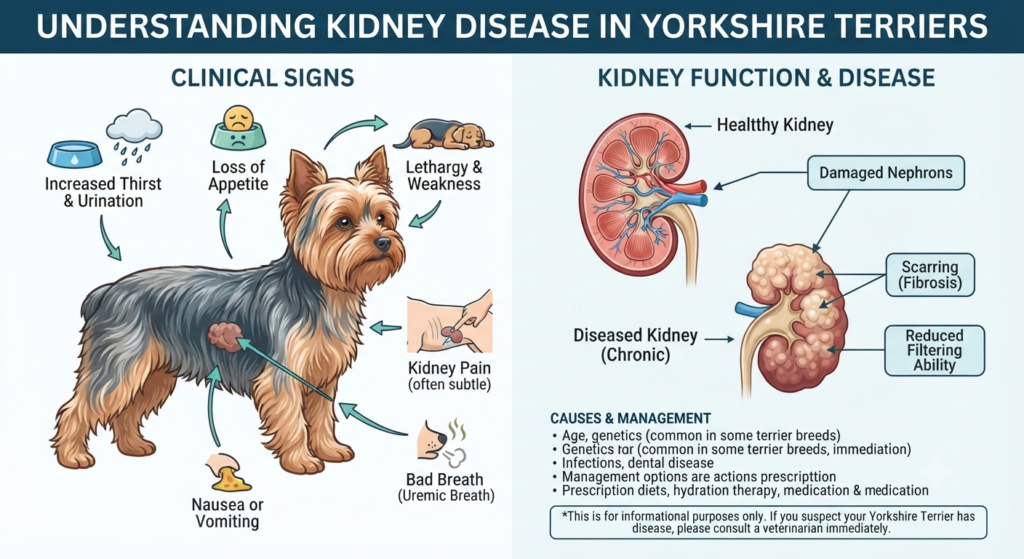
Chronic kidney disease is another health condition that may affect aging Yorkies.
The kidneys gradually lose their ability to filter waste products from the bloodstream, leading to a buildup of toxins in the body.
Common symptoms include:
- Increased thirst.
- Frequent urination.
- Weight loss.
- Poor appetite.
- Vomiting.
- Lethargy.
Although chronic kidney disease cannot usually be reversed, early treatment, specialized diets, and supportive care may help slow its progression.
Dental Disease Can Affect Overall Health
Many people underestimate the importance of dental care in small dog breeds.
Yorkshire Terriers are particularly prone to dental disease because their small mouths can become crowded, allowing plaque and tartar to build up more easily.
Untreated dental infections may cause:
- Tooth loss.
- Pain while eating.
- Bad breath.
- Gum disease.
- Bacterial spread to other organs.
While dental disease alone is not always the direct answer to what do Yorkies usually die from, severe oral infections can contribute to serious health problems over time.
Regular tooth brushing and professional dental cleanings help reduce these risks, and learning about dog dental care can help owners prevent common oral health problems before they become serious.
Collapsed Trachea
Yorkshire Terriers are among the breeds more likely to develop a collapsed trachea, a condition in which the windpipe gradually weakens.
Symptoms often include:
- A dry, honking cough.
- Difficulty breathing.
- Wheezing.
- Exercise intolerance.
- Coughing after excitement.
Mild cases may be managed with medication and lifestyle adjustments, while severe cases sometimes require specialized treatment.
Liver Shunts
Some Yorkies are born with a condition called a portosystemic (liver) shunt, in which blood bypasses the liver instead of being properly filtered.
This inherited condition may cause:
- Poor growth.
- Confusion.
- Seizures.
- Vomiting.
- Excessive drooling.
- Behavioral changes after eating.
Early diagnosis may allow treatment through surgery or medical management, depending on the individual case.
Pancreatitis
Another condition that may affect the Yorkshire terrier breed is pancreatitis or inflammation of the pancreas. In the pancreatic gland, it will regulate the release of enzymes and can affect the bloodstream blood sugar level, or will be accompanied by pain in other organs and may include symptoms that are mild.
Possible symptoms include:
- Repeated vomiting.
- Loss of appetite.
- Severe abdominal pain.
- Diarrhea.
- Lethargy.
- Dehydration.
In some dogs, eating a very fatty meal may trigger pancreatitis, although there are many other contributing factors. Feeding a balanced diet and avoiding table scraps may help reduce the risk. Following a veterinarian-approved small dog nutrition guide can also support your Yorkie’s long-term digestive and overall health.
Neurological Disorders
Yorkies can also develop neurological conditions, particularly as they age. While these disorders are less common than heart disease or cancer, they can significantly affect a dog’s quality of life.
Potential neurological problems include:
- Seizures.
- Balance difficulties.
- Changes in behavior.
- Head tilting.
- Difficulty walking.
- Vision changes related to neurological disease.
Any sudden neurological symptoms should be evaluated by a veterinarian immediately, as they may indicate a serious medical emergency.
Injuries and Accidents
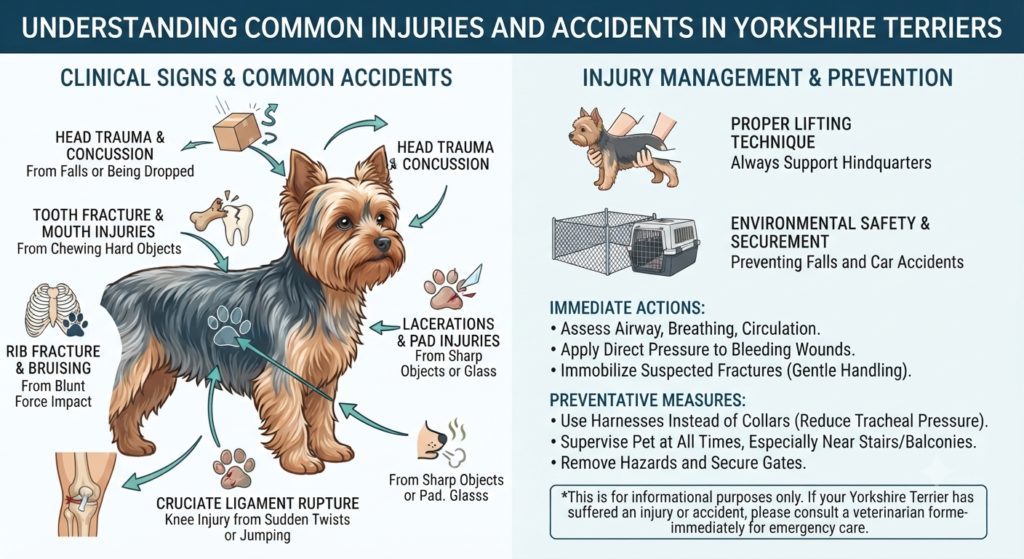
When discussing what do Yorkies usually die from, it’s important to remember that not every loss is caused by disease.
Because Yorkshire Terriers are very small and lightweight, they are more vulnerable to accidental injuries than many larger breeds.
Common accidents include:
- Falls from furniture or stairs.
- Being stepped on accidentally.
- Road traffic accidents.
- Injuries from larger dogs.
- Choking on unsafe objects.
Many of these tragedies can be prevented through careful supervision, secure fencing, leash use during walks, and avoiding rough play with much larger animals.
Obesity Can Contribute to Health Problems
Even though Yorkshire Terriers are small, keeping them at a healthy weight is extremely important.
Excess body weight places additional stress on the heart, joints, and respiratory system while increasing the risk of conditions such as diabetes and reduced mobility.
A healthy diet combined with daily exercise helps support long-term wellness. Because Yorkies require relatively small portions, even frequent treats can contribute to unwanted weight gain.
How to Help Your Yorkie Live a Longer, Healthier Life
While no owner can completely prevent illness, many healthy habits may improve both lifespan and quality of life.
These include:
- Scheduling regular veterinary checkups.
- Keeping vaccinations current.
- Maintaining parasite prevention.
- Feeding a balanced, age-appropriate diet.
- Brushing your Yorkie’s teeth regularly.
- Providing daily exercise and mental stimulation.
- Monitoring for changes in appetite, breathing, weight, or behavior.
- Seeking veterinary advice promptly when unusual symptoms appear.
These preventive measures cannot guarantee a longer life, but they often allow health problems to be detected earlier, when treatment may be more effective.
Signs Your Yorkie May Need Immediate Veterinary Care
Recognizing warning signs quickly can sometimes make a significant difference.
Contact your veterinarian promptly if your Yorkie develops:
- Difficulty breathing.
- Persistent coughing.
- Repeated vomiting or diarrhea.
- Sudden weakness or collapse.
- Loss of appetite lasting more than a day.
- Seizures.
- Severe lethargy.
- Pale gums.
- Difficulty walking.
- Unexplained weight loss.
Early diagnosis often improves the chances of successful treatment.
Common Myths About Yorkshire Terrier Health
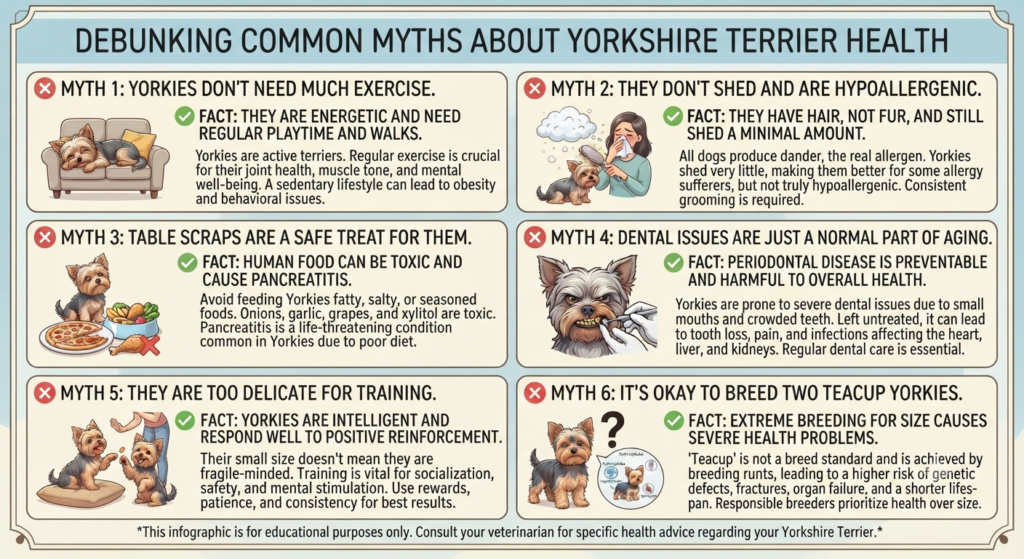
Many misconceptions surround the question what do Yorkies usually die from.
Myth: Yorkies always die from old age.
Old age itself is not considered a disease. Most senior Yorkies pass away because of an underlying medical condition that becomes more common with aging.
Myth: Small dogs don’t need much veterinary care.
Despite their size, Yorkies benefit from regular health examinations, dental cleanings, vaccinations, and preventive care throughout their lives.
Myth: Bad breath is normal in Yorkies.
Persistent bad breath often signals dental disease, which should be evaluated and treated by a veterinarian.
Myth: A playful Yorkie can’t have heart disease.
Many dogs continue acting normally during the early stages of heart disease. Routine veterinary examinations can detect heart murmurs before obvious symptoms develop.
Understanding Quality of Life
As Yorkshire Terriers reach their senior years, owners often focus not only on lifespan but also on quality of life.
A comfortable dog that enjoys eating, interacting with family members, walking, and resting peacefully generally has a good quality of life. If chronic illness causes persistent pain, breathing difficulty, inability to eat, or loss of enjoyment in daily activities, discussing supportive care options with a veterinarian becomes important.
The goal is not simply to extend life but to help every Yorkie remain comfortable and happy for as long as possible.
Conclusion
For those concerned, to answer the question, “What do Yorkies usually die from,” the most typical diseases that shorten their lives include heart disease, cancers, kidney failure, advanced dental problems, pancreatitis, and congenital abnormalities, like liver shunts. Unfortunately, accidents and traumas are a very significant danger due to their petite size.
Being aware of what do Yorkies usually die from not only prepares owners, but will also hopefully alleviate any worry by promoting a preventive attitude rather than fostering fear. Regular veterinary care, the correct diet, proper dental health, regular exercise, andprompt attention to unexplained symptoms can promote an owner’s Yorkie’s health and life expectancy.
Even though the life of each Yorkshire Terrier is very individual, with dedicated care and prompt veterinary diagnosis, many Yorkies can live well into their teens. Exploring more pet care and dog health tips can help owners support their pets through every stage of life.
Frequently Asked Questions
1. What do Yorkies usually die from?
The most common causes include heart disease, cancer, kidney disease, complications from dental disease, pancreatitis, inherited liver disorders, and age-related illnesses.
2. What is the average lifespan of a Yorkshire Terrier?
Most Yorkshire Terriers live between 12 and 16 years, although some live even longer with excellent care and favorable genetics.
3. Are Yorkies prone to heart disease?
Yes. Degenerative mitral valve disease is one of the most common heart conditions affecting older Yorkshire Terriers.
4. How can I help my Yorkie live longer?
Provide routine veterinary care, feed a balanced diet, maintain good dental hygiene, keep your dog at a healthy weight, provide regular exercise, and seek medical attention promptly if symptoms develop.
5. Are Yorkies more likely to have dental problems?
Yes. Their small mouths make them more susceptible to plaque buildup, gum disease, and tooth loss if dental care is neglected.
6. When should I take my Yorkie to the veterinarian immediately?
Seek prompt veterinary care if your Yorkie has difficulty breathing, repeated vomiting, seizures, sudden collapse, severe weakness, persistent coughing, pale gums, or any sudden change in behavior or appetite.