
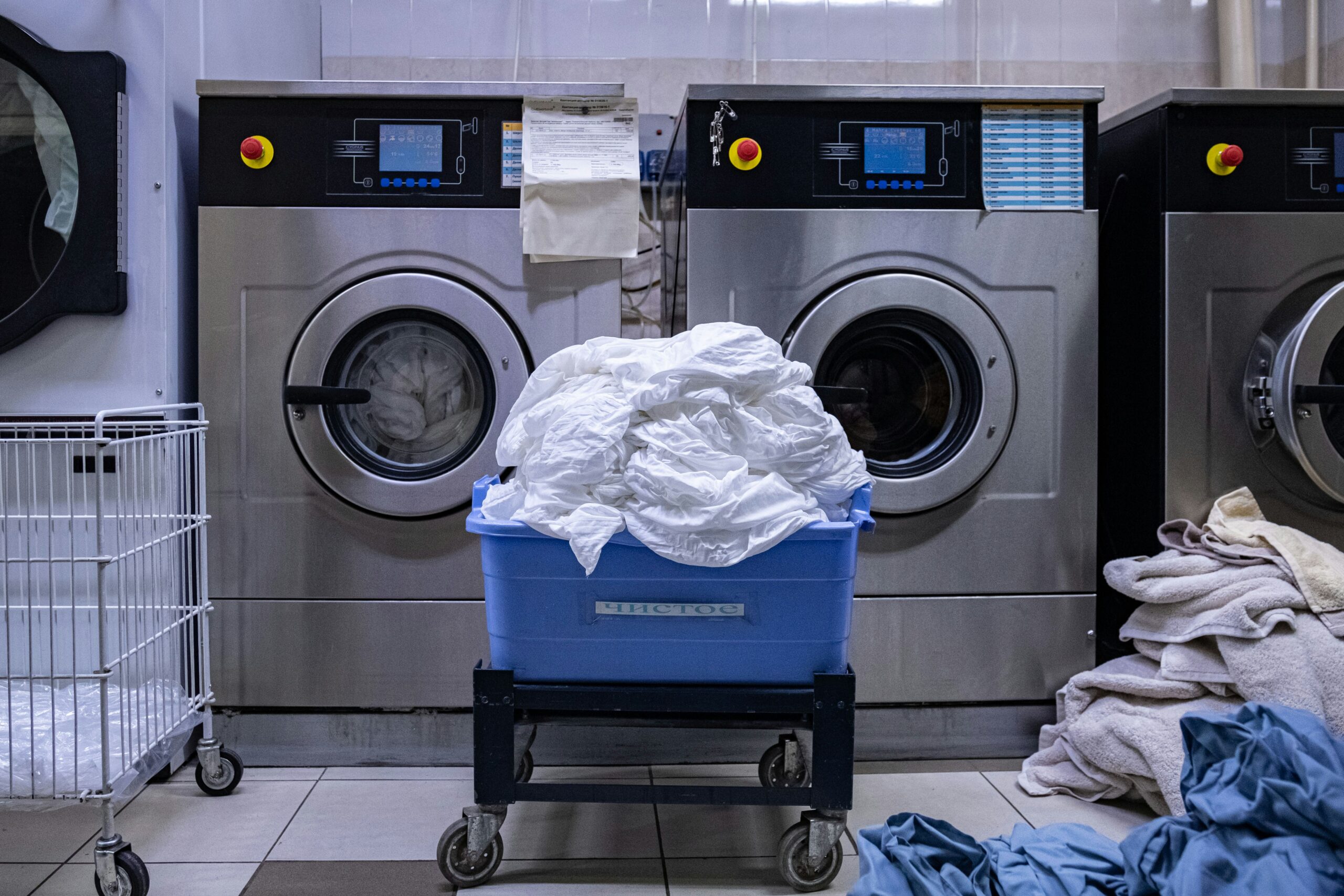
Mold is one of the most aggravating laundry issues-especially when it shows up on a beloved piece of clothing. It doesn’t matter if the clothing has been neglected in a washing machine and the mold has time to develop, if it’s packed away in a damp cellar, left in storage for way too long, or even affected by water from a flood; mold creates unpleasant smells, dark stains and may damage the fabric forever.
Learning how to get mold out of clothes isn’t just about making garments look clean again. Mold is a living fungus that thrives in warm, damp environments. If it is not removed properly, the mold will continue to spread in the fabric over time weakening the fibers and creating spores, the latter of which could trigger a user with sensitivities to allergic reactions or respiratory distress. Luckily, most mold problems are treatable with home remedies when caught early on.
If you’re wondering how to get mold out of clothes, the key is choosing the right cleaning method based on the type of fabric and the severity of the mold growth. Although some of your clothing items might only need the care of regular household products, others may need to be laundered with specific detergents and may require to be professionally cleaned if you aim to get rid of mold stains without harming the clothing fabric.
In the following guide, you can find the answer to a list of questions regarding the causes of mold on clothes, ways to detect mold on clothing, the safest ways to remove the stains and odor from clothing, and precautions that can prevent mold from reappearing on your clothes.
Why Mold Grows on Clothes
Mold spores are actually all around us. Usually these become noticeable when there’s enough of them together, or when the humidity is so high they can grow on an article. It usually happens that clothing can hang there wet and long enough for it to create conditions ideal for mold and fungus to form and multiply.Understanding how to get mold out of clothes starts with recognizing these conditions, as early treatment can prevent stains, unpleasant odors, and permanent damage to your garments.
Common situations that allow mold to develop include:
- Leaving wet laundry in the washing machine overnight.
- Storing clothes before they are completely dry.
- Keeping garments in humid closets or basements.
- Packing seasonal clothing in airtight containers while still slightly damp.
- Water leaks, flooding, or excessive indoor humidity.
- Poor airflow in wardrobes or storage areas.
Synthetic fibers polyester and nylon or blended fabrics can grow mold if they are kept in a moist environment, but natural fiber items (such as cotton, linen, rayon or wool), which are susceptible to mold due to water retention. The root of the matter must be found to be guaranteed not to come mold when cleaned.
How to Tell If Clothes Have Mold
However, not every stain or bad odour is as a direct cause of mildew. You are often able to correctly determine the extent of the problem when it comes time to choose the best cleaning method.
Common signs include:
Visible Spots
Mold often appears as:
- Black dots
- Green patches
- Gray discoloration
- White fuzzy growth
- Brownish stains
The appearance varies depending on the mold species and the fabric involved.
Persistent Musty Odor
One of the earliest warning signs is a damp, earthy smell that remains even after washing.
Fabric Changes
Severe mold growth may leave fabrics feeling:
- Rough
- Stiff
- Brittle
- Slightly discolored
Older mold damage may also weaken fibers enough to cause small holes.
Is Mold on Clothes Dangerous?
For many healthy people, limited exposure to moldy clothing causes only minor inconvenience. However, mold spores can become airborne when garments are shaken or handled.
Some individuals are more sensitive than others, including:
- People with asthma
- Individuals with mold allergies
- Young children
- Older adults
- Anyone with a weakened immune system
Possible reactions include:
- Sneezing
- Coughing
- Watery eyes
- Skin irritation
- Nasal congestion
For heavily contaminated clothing, it’s best to handle garments outdoors if possible and avoid breathing in disturbed spores during cleaning.
Before You Start Cleaning Moldy Clothes
Preparation improves both safety and cleaning results.
Read the Care Label
Always check the garment’s washing instructions before using hot water, bleach, or specialty cleaning products, and review fabric care label symbols to choose the safest cleaning method.
Brush Off Loose Mold
Brush off loose mold carefully before washing, and understanding safe mold cleanup practices can help reduce the spread of spores during cleaning.
If visible mold is present, gently brush away loose spores outdoors. This helps prevent spreading mold throughout your laundry area.
Separate Contaminated Clothing
Never wash moldy clothing together with clean garments.
Keeping affected items separate reduces the chance of transferring spores and unpleasant odors.
Wear Basic Protection
For larger mold problems, consider wearing:
- Disposable gloves
- A face mask
- Old clothing that can be washed immediately afterward
These simple precautions reduce unnecessary exposure.
How to Get Mold Out of Clothes: The Most Effective Cleaning Methods
Not all clothes react the same way to cleaning solutions; selecting a particular type offers a higher possibility that all the mold will lift completely without creating holes and patches.
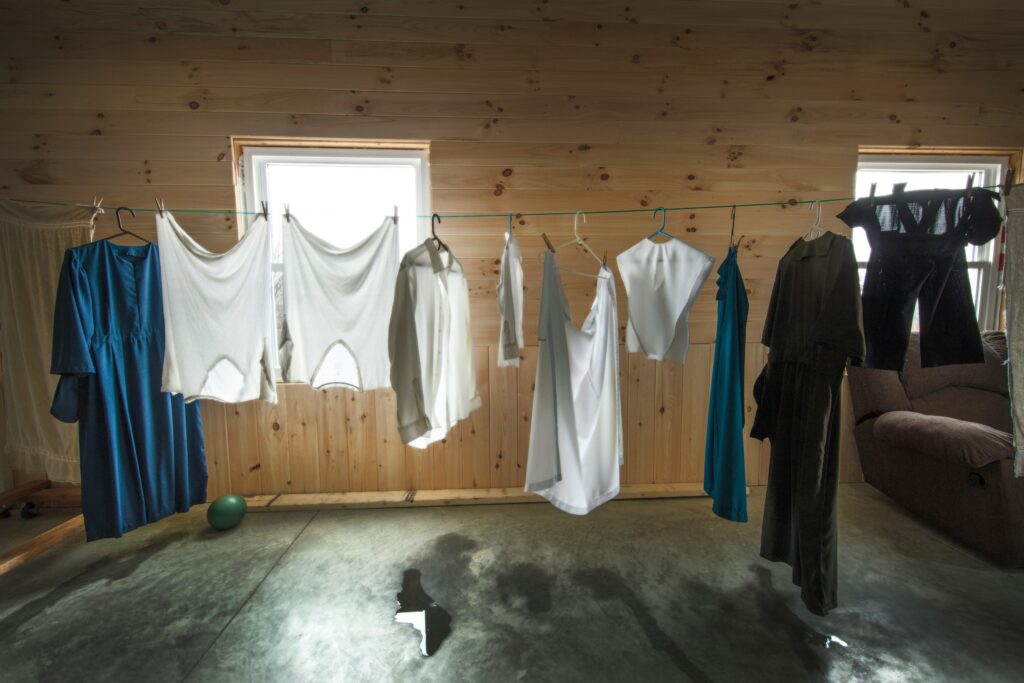
1. Wash With Laundry Detergent and Hot Water
This is generally the first step for any washable fabric.
Use the hottest water specified by the care label and a good quality laundry detergent. Water temperature, detergent, and agitation will clean most mold spores and surface stains away.
Inspect the item after washing and before you put it in the dryer-heat sets many stains permanently.
2. Use White Vinegar for Mild Mold
White distilled vinegar is one of the most popular household solutions for treating light mold growth.
It helps:
- Neutralize odors
- Loosen mold residue
- Freshen fabrics
Add 1 cup of white vinegar to your wash cycle or soak clothing in a mixture of equal parts water and white vinegar prior to washing. While this will resolve minor issues. It does take a while and may not the eliminate heavy cases of mold in your clothing.
3. Baking Soda for Musty Odors
Even after visible mold disappears, lingering odors can remain trapped in fabric fibers.
Baking soda helps absorb unpleasant smells while supporting normal laundering.
Adding half a cup to the wash cycle often improves freshness without damaging most washable fabrics.
4. Oxygen Bleach for Colored Clothes
If you’re wondering how to get mold out of clothes, oxygen bleach is often a safer choice than chlorine bleach when dealing with stubborn mold stains on colored fabrics.Unlike conventional bleach, oxygen bleach works against mold, as well as other stains, as safely on most colors, without a great amount of bleaching effect.
To use it effectively:
- Begin by filling a sink or basin with warm water.
- Dissolve the recommended amount of oxygen bleach.
- Soak the clothing for several hours or as directed.
- Wash the garment with your regular laundry detergent.
This stain removal technique is great for a variety of materials such as cotton, poly blends, towels and of course normal cloths! When you’re using this recipe, remember to test it on an out-of-sight section first especially with brightly colored items or delicate material.
5. Chlorine Bleach for White Clothes
For white garments that can safely tolerate bleach, chlorine bleach can be one of the most effective solutions for killing mold and removing stubborn discoloration.
Before using bleach:
- Confirm that the care label allows chlorine bleach.
- Bleach should never be used on wool, silk, leather, or spandex, as it can weaken or discolor these materials.
- Avoid mixing bleach with vinegar, ammonia, or other household cleaners, as dangerous gases can form.
When learning how to get mold out of clothes, it’s important to wash the garment according to the manufacturer’s care instructions, using the appropriate bleach dilution if suitable for the fabric. After washing, inspect the clothing carefully. If mold stains persist after initial cleaning process instead of trying to machinedry the garment you should repeat the whole cleaning process. Heat setting mold stains in your cloth may become impossible to remove them later.
6. Lemon Juice and Sunlight
For a more natural alternative, a mixture of lemon juice and sunlight could be used to lighten fabrics and prevent mild mold stains.
Rub fresh lemon juice directly onto the mold stained section and leave the garment to dry out in bright sunlight for a few hours before washing as normal. The acid in the lemon juice, aided by the bleaching properties of sunlight may help to fade light mold stains. This will only work on very mild light mold stains and for serious contamination it will have to be a different method.
7. Commercial Mold and Mildew Removers
When household remedies don’t produce satisfactory results, commercial mold-removal products formulated for laundry may provide better results.
These products are designed to:
- Break down mold stains.
- Eliminate persistent odors.
- Improve stain removal during washing.
Remember to select something made to be used on fabrics. Always read your product’s directions before using them as a few might be too strong for sensitive or easily damaged pieces of cloth. Also make certain to make sure that the garment is washable; in any other case you could simply end up further spoiling your cloth.
Does Sunlight Help Remove Mold?
Sunlight alone will not completely eliminate mold growing deep within fabric fibers, but it can still be a valuable part of the cleaning process.
Fresh air and ultraviolet (UV) light help:
- Reduce moisture.
- Lessen musty odors.
- Discourage additional mold growth.
- Brighten certain types of stains.
If you can hang washed garments to dry outside in sunlight, do so whenever possible. This method is also great after using vinegar or oxygen bleach on your fabrics.
If leaving clothing outside in bright sun, just be careful not to expose very dark items to the light too long because it can cause them to fade.
How to Remove Mold Smell From Clothes
Even after mold stains disappear, an unpleasant odor may linger because mold byproducts remain trapped in the fabric.
To eliminate the smell completely, more than one wash cycle may be necessary.
Effective odor-removal strategies include:
Wash the Garment Again
A second wash using quality detergent often removes remaining odor-causing particles.
Add White Vinegar
Adding one cup of distilled white vinegar during the rinse cycle helps neutralize lingering smells without leaving a vinegar scent after drying.
Use Baking Soda
Half a cup of baking soda added during the wash cycle helps absorb stubborn odors while gently cleaning fabric.
Dry Outdoors
Fresh air is surprisingly effective at removing musty smells. Outdoor drying also prevents moisture from becoming trapped inside the clothing.
Can Dry Cleaning Remove Mold?
Yes, professional dry cleaning may be the safest option for garments labeled “Dry Clean Only.”
Professional cleaners have specialized solvents and equipment that can often remove light mold contamination while protecting delicate fabrics.
Dry cleaning is particularly recommended for:
- Wool coats
- Silk garments
- Structured suits
- Formal dresses
- Delicate vintage clothing
If the garment has extensive mold growth caused by flooding or long-term water damage, inform the cleaner before dropping it off. This allows them to choose the most appropriate treatment method.
Fabrics That Require Extra Care
Because fabrics vary, they should not all be treated the same way. Using the wrong cleaning method may permanently damage clothing.
| Fabric | Recommended Cleaning Approach |
| Cotton | Hot water when permitted, detergent, oxygen bleach if needed |
| Polyester | Warm water with regular detergent |
| Linen | Gentle washing with careful stain treatment |
| Wool | Mild detergent or professional dry cleaning |
| Silk | Professional dry cleaning is usually safest |
| Leather | Wipe surface mold carefully and consult a leather care specialist |
Taking a few moments to identify the fabric type can prevent shrinking, fading, or weakening of the material.
Common Mistakes to Avoid
Many people unintentionally make mold problems worse during cleaning. Avoid these common errors to improve your chances of restoring your clothing successfully.
Putting Moldy Clothes in the Dryer Too Soon
Heat can permanently set mold stains, making them much harder to remove. Always inspect clothing after washing before using a dryer.
Ignoring the Source of Moisture
Cleaning the clothing without addressing the humidity, leak, or damp storage area often results in mold returning.
Using Too Much Detergent
Excess detergent may leave residue on fabrics, trapping moisture and odors rather than removing them completely.
Mixing Cleaning Chemicals
Combining bleach with vinegar, ammonia, or other cleaners can create hazardous fumes. Always use one cleaning product at a time and rinse thoroughly between treatments if switching methods.
Storing Clothes Before They’re Fully Dry
Even slightly damp clothing can develop mold during storage. Make sure garments are completely dry before folding or hanging them away.
Tips to Prevent Mold Growth on Clothes
Removing mold is only part of the solution. Preventing future mold growth is even more important than removing it, and following practical home care tips can help keep clothes fresh and mold-free. Mold spores are always present in the environment, but they need moisture and limited airflow to grow. Keeping clothing clean, dry, and properly stored greatly reduces the risk of future mold problems.
Dry Clothes Completely Before Storing
Another very frequent reason for the occurrence of mold growth. The clothing left in the wardrobe even though slightly humid is enough. The moisture content is sufficient to foster mold growth.
Before folding or hanging garments:
- Make sure they are completely dry.
- Check thick fabrics like towels, hoodies, and jeans carefully.
- Allow extra drying time during humid weather.
Improve Air Circulation
Closets and storage rooms with poor ventilation tend to trap moisture.
To improve airflow:
- Leave small spaces between hanging clothes.
- Avoid overcrowding wardrobes.
- Open closet doors occasionally to let fresh air circulate.
- Use fans if a storage room feels damp.
Better ventilation helps keep fabrics dry and discourages mold growth.
Control Indoor Humidity
High indoor humidity is one of the biggest contributors to mold.
Aim to keep indoor humidity between 30% and 50% whenever possible.
Helpful ways to reduce excess moisture include:
- Running a dehumidifier.
- Using exhaust fans in bathrooms and laundry rooms.
- Repairing leaking pipes or roofs promptly.
- Opening windows when weather permits.
Store Seasonal Clothing Properly
Before storing clothes for several months:
- Wash and dry every item thoroughly.
- Use clean, breathable storage containers or garment bags.
- Place moisture absorbers or silica gel packets in storage bins if humidity is a concern.
- Store clothing in a cool, dry location instead of damp basements or garages.
Proper storage protects clothing from mold, mildew, insects, and unpleasant odors.
Don’t Leave Wet Laundry Sitting
Many mold problems begin because freshly washed clothes remain inside the washing machine for hours.
Instead:
- Remove laundry immediately after the cycle ends.
- Hang or machine dry clothes as soon as possible.
- Leave the washing machine door open after use so the drum can dry.
This simple habit helps prevent mold from developing on both clothing and the washing machine itself.
When Clothes Should Be Thrown Away
While many moldy garments can be cleaned successfully, some items may no longer be safe or practical to keep.
Consider replacing clothing if:
- Mold has penetrated deep into the fabric after repeated cleaning attempts.
- The garment still has a strong musty odor after multiple washes.
- Fabric fibers have become weak, brittle, or torn.
- Large areas are covered with heavy mold growth.
- Clothing was contaminated by floodwater containing sewage or other hazardous materials.
Trying to save severely contaminated clothing may not be worth the health risks or the cost of repeated cleaning.
Frequently Asked Questions
1.Can mold be completely removed from clothes?
In most instances, yes. Mild to moderate mold infestation can be safely and effectively treated by using the right washing techniques, stain removers, and dry treatments. Extreme cases, on the other hand, can be responsible for permanently coloring or weakening fabric types.
2.Is it safe to wash moldy clothes with other laundry?
No. Moldy garments should be washed separately until they have been completely cleaned. This helps prevent spores and odors from spreading to other clothing.
3.Does vinegar kill mold on clothes?
White distilled vinegar is a good option to clean certain kinds of mold and deodorize musty smells. Use this on light mold growth, on heavy mold growth you may need to find a more effective product or apply the vinegar several times.
4.Will regular laundry detergent remove mold?
While standard laundry detergent can loosen up light superficial surface mold – especially if mixed with warm to hot water – heavy, deep molds might require further intervention with a solution like an oxygen bleach, white vinegar or a specifically branded mold and mildew killer product.
5.Can mold return after washing?
Yes. If clothing is stored in damp conditions or the original moisture problem is not addressed, mold can grow again even after successful cleaning.
6.How long does it take to remove mold from clothes?
How long it takes … well, you know – the worse the mold gets the longer it takes to recover. Your favorite white linen shirt may clean up after only one washing, while a badly stained piece of clothing might have to sit in soak water, wash over and wash again and then have to sit out and get fresh air before you finally start to eradicate that stinky mold!
Conclusion
Knowing how to get mold out of clothes can help you rescue garments that might otherwise seem beyond repair. Combining immediate action, a good cleaner, and thorough drying can get rid of the visual signs of mold and odors once and for all. No matter if you opt for laundry detergent, white vinegar, oxygen bleach, or a specialized mold cleaner, prompt intervention tends to bring the best results. More so, preventing mold from making a comeback is equally important as cleaning it in the first place – completely dry out clothes, ensure adequate ventilation in closets, lower the humidity indoors, and avoid leaving clothes in the washing machine.
That said, While everyday mold may be managed at home, do consider ditching some of the pieces that just won’t come clean after treatment, and definitely toss out pieces with irreparable damage to the fabric as these aren’t worth the risk in the long run.