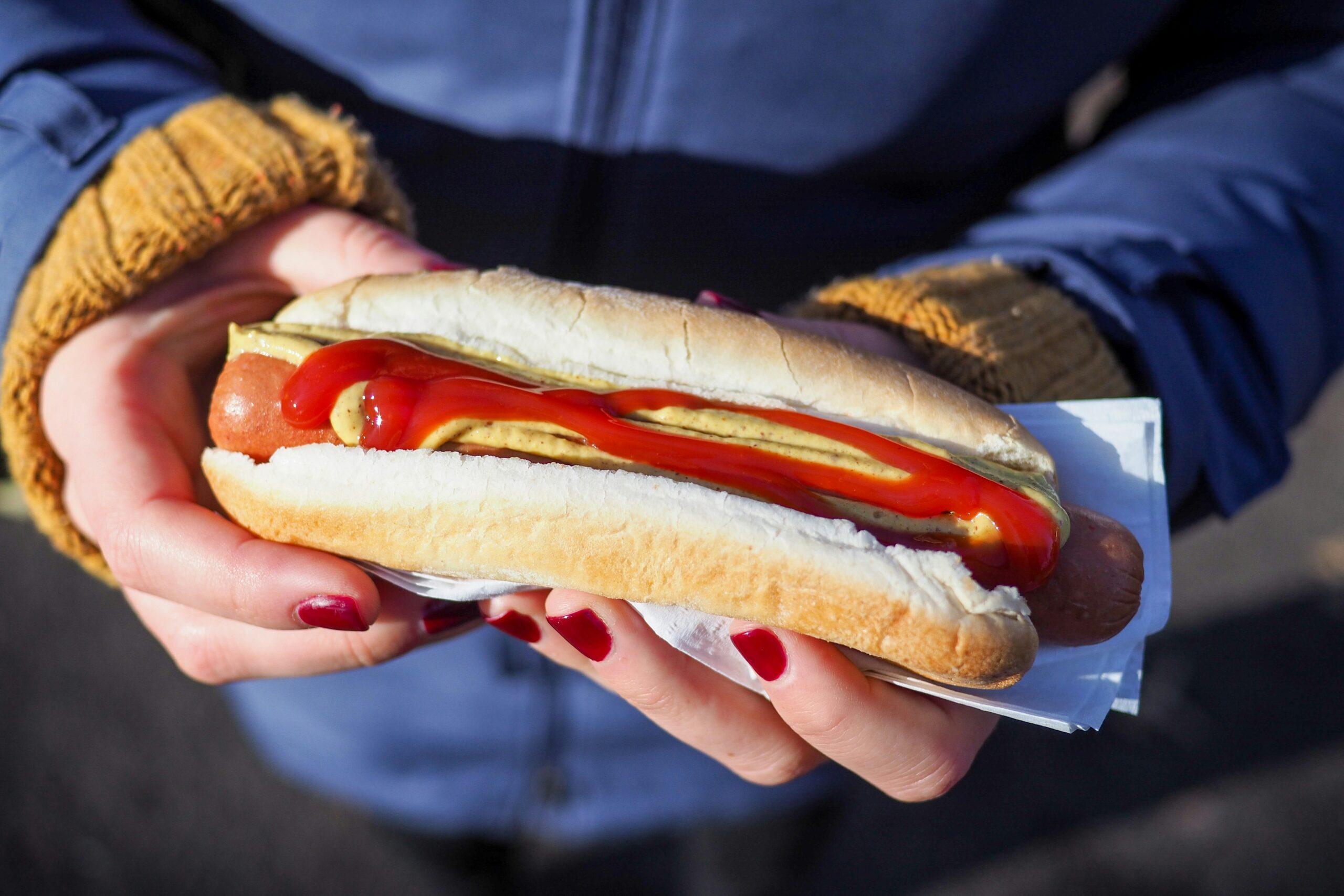
Whether you’re serving food at a concession stand, operating a restaurant, hosting a barbecue, or working in food service, understanding what is the minimum hot holding temperature requirement for hot dogs is essential for preventing foodborne illness. Once hot dogs have been fully cooked, they must be kept at a safe temperature until they are served. Improper hot holding can allow bacteria to multiply rapidly, increasing the risk of contamination.
The generally accepted food safety standard in the United States is that hot foods, including hot dogs, should be held at 135°F (57°C) or higher after cooking. This temperature helps keep food out of the “temperature danger zone,” where harmful bacteria can grow quickly.
Knowing what is the minimum hot holding temperature requirement for hot dogs isn’t just important for restaurants. It also helps schools, food trucks, sporting events, convenience stores, and home cooks keep food safe for everyone.
What Does “Hot Holding” Mean?
Hot holding refers to keeping fully cooked food warm at a safe temperature after it has been cooked and before it is served.
Unlike cooking, which destroys many harmful microorganisms, hot holding focuses on preventing bacteria that may still be present from multiplying to unsafe levels.
Hot holding equipment includes:
- Steam tables
- Heated display cabinets
- Roller grills
- Slow cookers designed for hot holding
- Commercial warming drawers
- Soup warmers
These appliances are designed to maintain safe serving temperatures rather than cook food.
The Minimum Hot Holding Temperature Requirement
The Minimum Hot Holding Temperature Requirement follows the official FDA Food Code hot holding requirements for keeping ready-to-eat foods safe during service.
If you’ve been wondering what is the minimum hot holding temperature requirement for hot dogs, the recommended minimum is:
135°F (57°C) or higher.
Maintaining hot dogs at or above this temperature helps reduce the growth of bacteria that can multiply when food is left too cool for extended periods.
Food service establishments routinely monitor holding temperatures using calibrated food thermometers to ensure food remains within safe limits.
Even though hot dogs are fully cooked when manufactured, they still require proper temperature control after heating and during service.
Why Is 135°F Important?
Why Is 135°F Important? It helps keep food out of the food temperature danger zone, where harmful bacteria can multiply rapidly.
Bacteria grow most rapidly within what food safety experts call the temperature danger zone, generally between 41°F and 135°F (5°C to 57°C).
When cooked foods remain within this range for extended periods, bacteria can multiply quickly.
Keeping hot dogs at 135°F or above helps reduce bacterial growth and maintains food safety until serving.
This is why understanding what is the minimum hot holding temperature requirement for hot dogs is an important part of food handling training.
Are Hot Dogs Already Cooked?
Most commercially packaged hot dogs sold in grocery stores are fully cooked during manufacturing.
However, they should still be reheated according to package instructions before serving, especially if they have been refrigerated.
Once reheated, they should remain at the proper hot holding temperature if they are not eaten immediately.
Being fully cooked does not eliminate the need for safe handling after heating.
How Long Can Hot Dogs Be Held Safely?
Safe holding depends on maintaining the proper temperature continuously.
If hot dogs remain at or above 135°F, they may generally be held for service according to applicable food safety procedures and local regulations. Food establishments should also follow their operational policies regarding holding times, product quality, and rotation.
If the temperature drops below the recommended hot holding level, corrective action may be necessary to maintain food safety.
Equipment Used for Hot Holding
Several types of equipment help maintain proper temperatures.
Common examples include:
- Roller grills at convenience stores
- Commercial steam tables
- Heated display cases
- Electric food warmers
- Slow cookers used appropriately for holding
- Heated cabinets
Regardless of the equipment used, temperature should be checked regularly with a food thermometer rather than relying solely on appliance settings.
Common Mistakes During Hot Holding
Even experienced food handlers can make errors that affect food safety.
Some common mistakes include:
- Not checking food temperatures regularly.
- Overcrowding warming equipment.
- Assuming equipment settings guarantee safe temperatures.
- Mixing freshly heated hot dogs with older batches without proper rotation.
- Leaving food uncovered for extended periods, which can reduce temperature and affect quality.
Following proper hot holding procedures helps reduce these risks while maintaining both food safety and product quality.
Best Practices for Hot Holding Hot Dogs
Knowing what is the minimum hot holding temperature requirement for hot dogs is only the first step. Following proper food handling practices helps ensure hot dogs remain both safe to eat and appealing to customers.
Some recommended practices include:
- Preheat hot holding equipment before adding hot dogs.
- Use a food thermometer to verify the internal temperature regularly.
- Keep hot dogs covered when appropriate to help retain moisture and heat.
- Rotate products using a first-in, first-out (FIFO) system.
- Avoid overfilling warming equipment, as overcrowding can prevent even heating.
- Replace worn or malfunctioning warming equipment promptly.
Consistently following these habits reduces the risk of temperature fluctuations during service.
How Often Should Temperatures Be Checked?
One of the most effective food safety habits is routine temperature monitoring.
This information can be included with your food service action log. Most in-house programs will monitor and record the holding temperatures of hot foods in the holding cabinet. Check every X number of minutes as part of the company policy or by local codes and make notes in your holding equipment action log for 503(3b).
A digital food thermometer set in a holding cab would allow a much more precise holding temperature; in fact it would monitor continuously but it is a bit more difficult to install; check local codes or an inspector before installing in the hot holding unit; otherwise utilize a portable unit.
Note that an actual food temperature can be directly monitored and doesn’t even tell about the holding cabinet temperature [since many holding units can be adjusted high or low]. Do NOT evaluate temperatures based on ‘heat of oven’ or steam’. Monitor at an x hour or y number of minute interval as in 503(b3). Monitor and record the temperature in a holding cabinet equipment action log
What Happens If the Temperature Drops Below 135°F?
If the temperature falls below the recommended hot holding level, action should be taken promptly.
The appropriate response depends on several factors, including:
- How long the food has been below the required temperature.
- Local food safety regulations.
- The establishment’s food safety procedures.
In many commercial settings, food that has been in the temperature danger zone for too long may need to be discarded to protect customers from foodborne illness.
When in doubt, follow your local health department’s regulations and your organization’s food safety plan.
Reheating Hot Dogs Before Hot Holding
Reheating and hot holding are two different processes.
Hot holding equipment is designed to maintain safe temperatures—not to cook or properly reheat cold food.
Before placing hot dogs into a warming unit, they should first be reheated according to safe food handling practices. Once they reach the appropriate serving temperature, they can then be transferred to hot holding equipment that maintains 135°F (57°C) or higher.
Understanding this distinction is another reason what is the minimum hot holding temperature requirement for hot dogs is such an important food safety question.
Food Safety Tips for Home Cooks
Although hot holding requirements are especially important in restaurants and food service operations, they also apply when serving food at home for extended periods.
If you’re hosting a party, picnic, or family gathering:
- Serve hot dogs soon after cooking whenever possible.
- Use a slow cooker or warming appliance if they will remain out for serving.
- Keep the lid closed as much as possible to retain heat.
- Avoid leaving cooked hot dogs at room temperature for extended periods.
- Refrigerate leftovers promptly if they are no longer being served.
These simple steps help reduce the risk of bacterial growth while maintaining food quality. Explore more practical cooking advice in our Food Safety & Cooking Guides.
Common Myths About Hot Holding Hot Dogs
Several misconceptions can lead to unsafe food handling.
Myth: Fully cooked hot dogs don’t need temperature control.
Although most packaged hot dogs are fully cooked during manufacturing, they still require proper temperature control after reheating.
Myth: A roller grill always keeps food at a safe temperature.
Only regular temperature checks with a food thermometer can confirm that hot dogs remain at the proper hot holding temperature.
Myth: If food still feels warm, it’s safe.
Food can feel warm while still falling below the recommended minimum hot holding temperature. Measuring the temperature is always more reliable than guessing.
Myth: Hot holding equipment can safely reheat cold food.
Hot holding equipment is designed to maintain temperature, not rapidly reheat refrigerated foods.
Why Food Safety Training Matters
Foodborne illness affects millions of people each year, making food safety education an essential part of the food service industry.
Understanding what is the minimum hot holding temperature requirement for hot dogs helps employees:
- Protect customers.
- Meet health department standards.
- Reduce food waste.
- Maintain food quality.
- Support safe workplace practices.
Whether you’re working in a restaurant, cafeteria, concession stand, or food truck, proper temperature control is one of the most important responsibilities in food preparation.
Conclusion
If you’ve been asking what is the minimum hot holding temperature requirement for hot dogs, the answer is straightforward: hot dogs should be maintained at 135°F (57°C) or higher after cooking. Keeping them above this temperature helps prevent bacterial growth and supports safe food service practices.
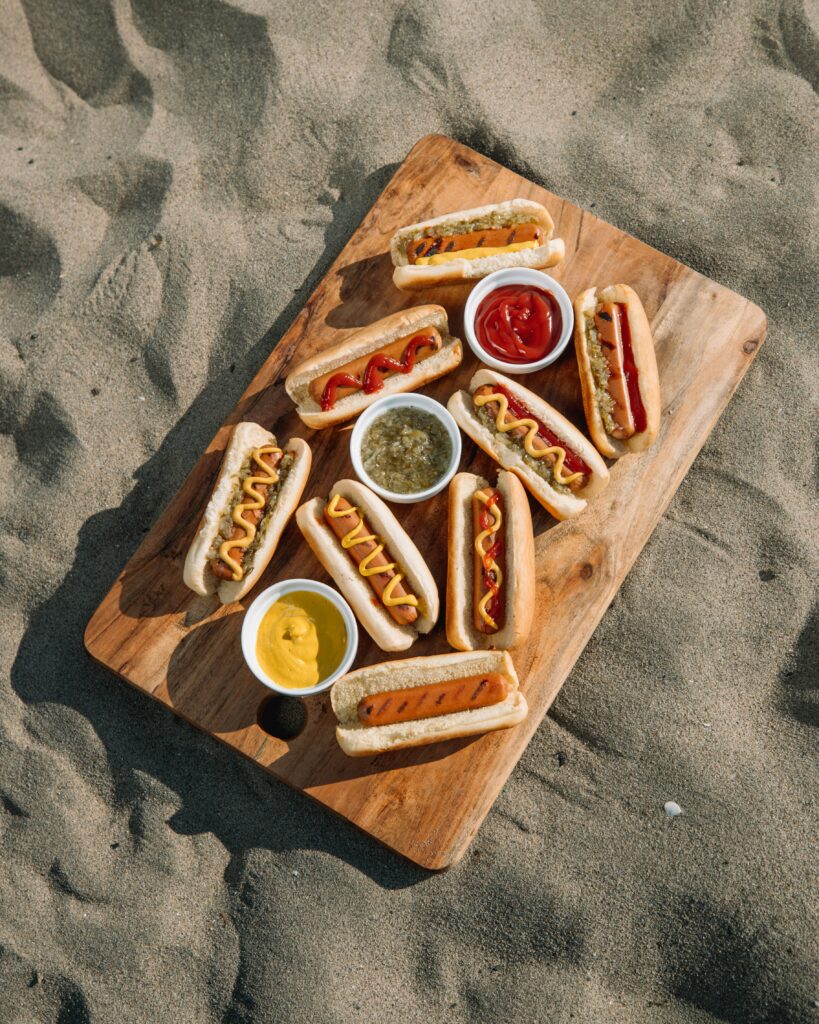
Knowing what is the minimum hot holding temperature requirement for hot dogs is important for restaurants, convenience stores, food trucks, schools, catering businesses, and even home gatherings where food may be served over an extended period. Proper hot holding, regular temperature monitoring, appropriate reheating, and good food handling habits all work together to reduce the risk of foodborne illness.
By following established food safety guidelines and checking temperatures with a reliable food thermometer, you can help ensure that hot dogs remain both safe and enjoyable to eat.
Frequently Asked Questions
1. What is the minimum hot holding temperature requirement for hot dogs?
The recommended minimum hot holding temperature is 135°F (57°C). Keeping hot dogs at or above this temperature helps reduce the growth of harmful bacteria.
2. Are hot dogs already cooked when purchased?
Most commercially packaged hot dogs are fully cooked, but they should still be reheated according to the package directions before serving and held at safe temperatures if not eaten immediately.
3. Can a slow cooker be used to hold hot dogs?
Yes, provided it can consistently maintain a temperature of 135°F (57°C) or higher. Always verify the temperature with a food thermometer.
4. Can hot holding equipment reheat refrigerated hot dogs?
No. Hot holding equipment is intended to maintain safe temperatures after food has been properly reheated, not to reheat cold food safely.
5. Why is temperature monitoring important?
Regular temperature checks help ensure hot dogs remain above the minimum hot holding temperature and reduce the risk of bacterial growth.
6. What should I do if hot dogs fall below 135°F?
Follow your local food safety regulations and workplace procedures. The appropriate action depends on factors such as how long the food has been below the safe holding temperature.