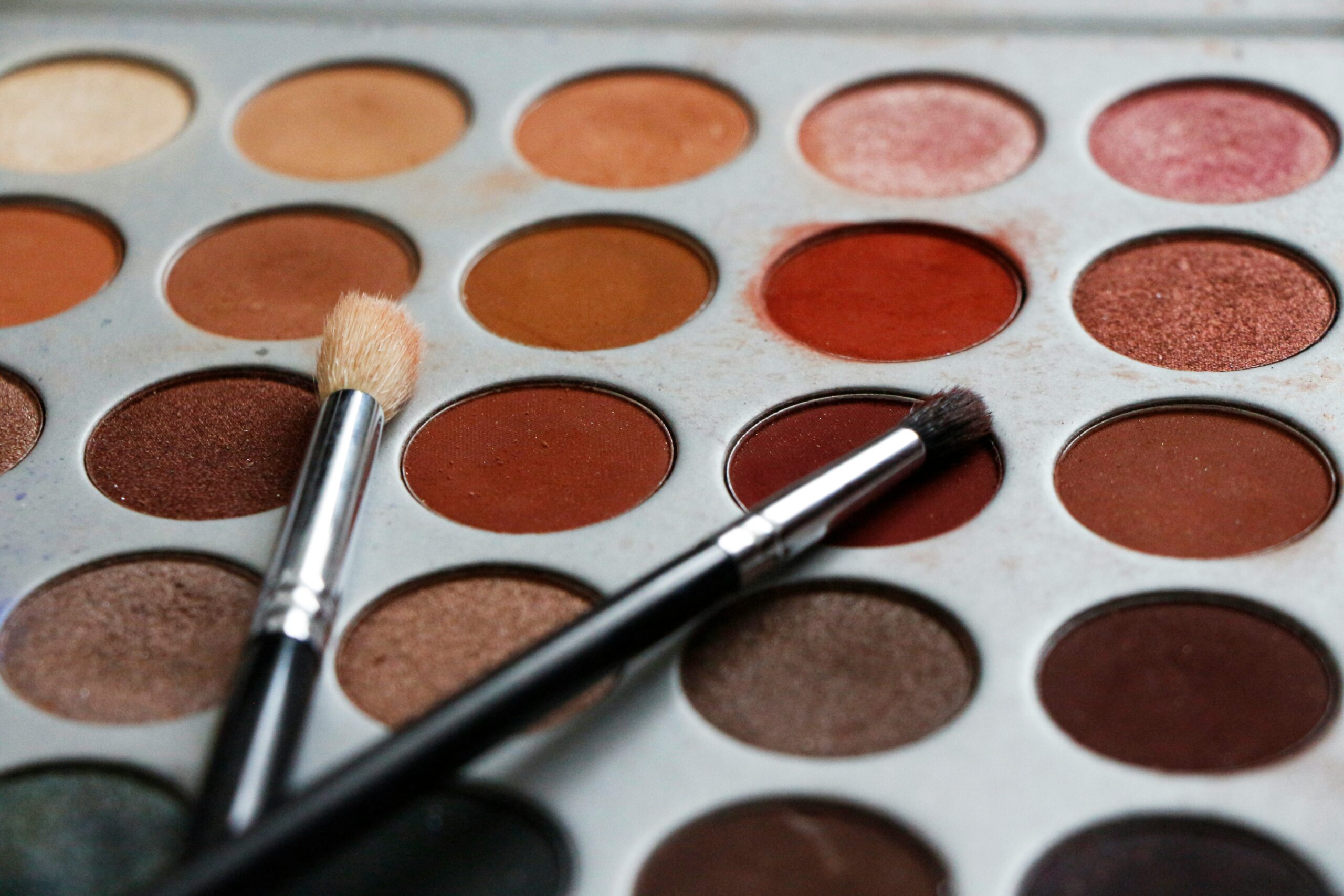
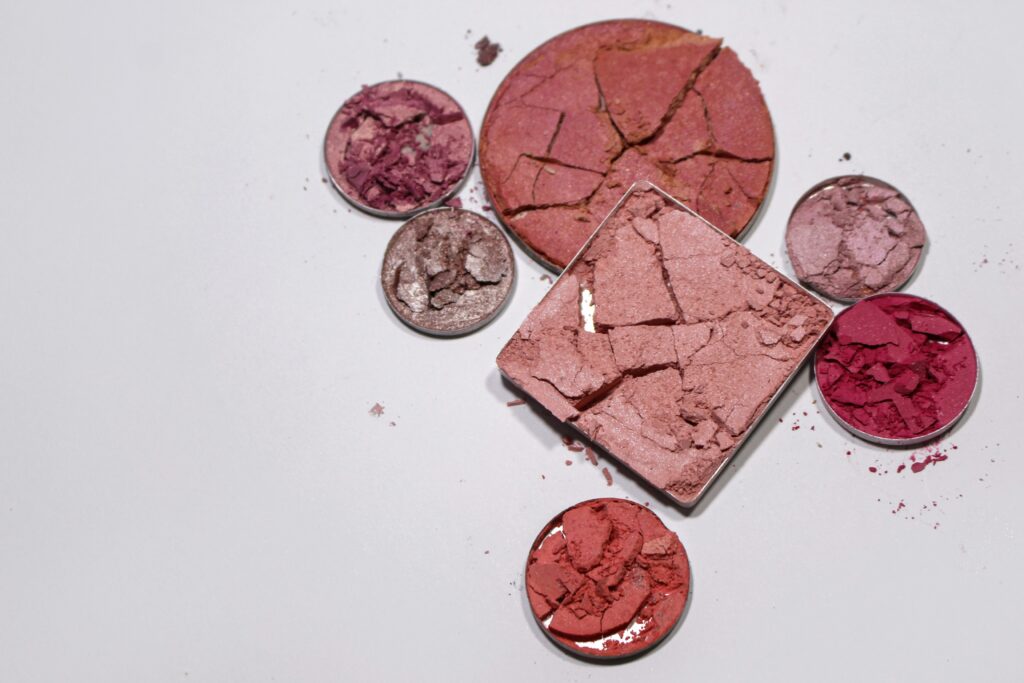
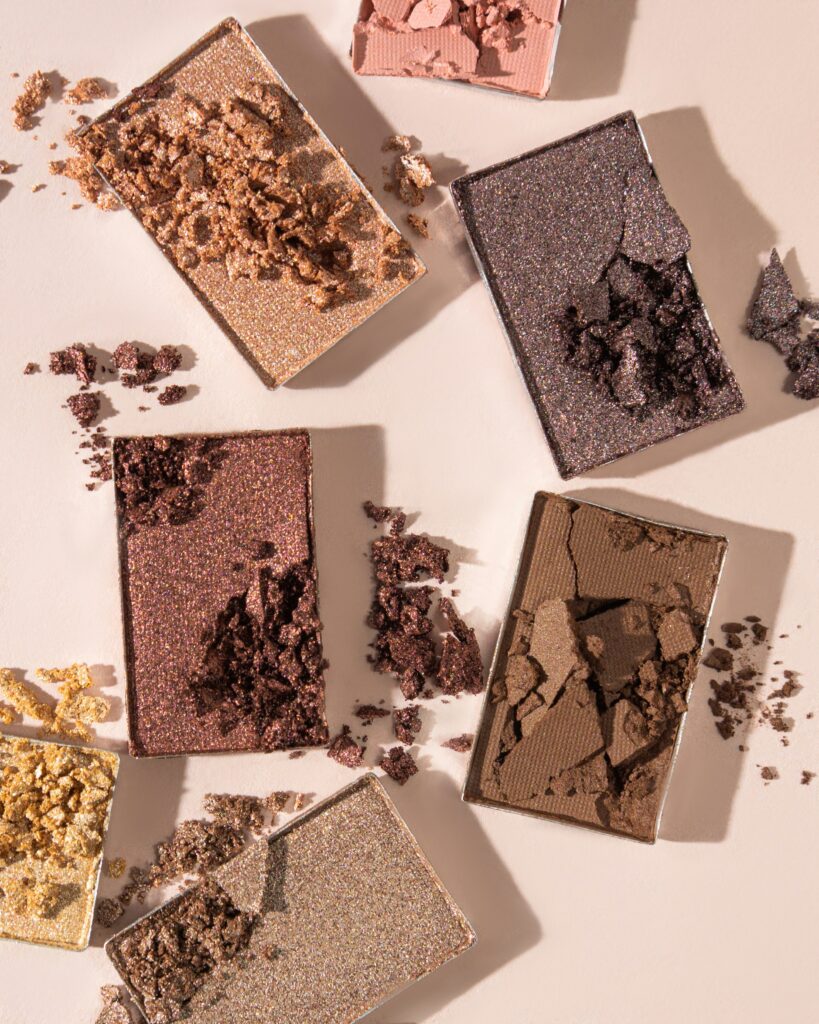
There’s nothing as devastating as finding a shattered mess of a palette at the bottom of your makeup bag. Whether it’s a single, devastating drop that shatter a baked product, or the bottom of your makeup bag is speckled with loose makeup after just one bounce, it doesn’t mean it’s trash.
Learning how to fix broken eyeshadow is mainly about turning the damaged powder back into a compact, usable form. The most common approach involves crushing the remaining pieces into a fine powder, adding a small amount of rubbing alcohol for cosmetic repair, reshaping the product, and allowing it to dry completely.
However, a broken eyeshadow isn’t something every broken piece is automatically deserving of being saved/repaired. If it is dirty, has a weird smell, a dramatic difference in color or an unfortunate encounter with the ground or anything else that doesn’t appear clean it’s best to be replaced.
Why Does Pressed Eyeshadow Break?
Pressed eyeshadow is created by compressing makeup powder into a thin, circular pan. When you pick it up it feels hard, but it will break with pressure, motion, or any shock. This could happen from a falling makeup palette, keeping it uncontained in a makeup bag or jostling bag, it sitting in the middle of a drawer where it gets hit often, or bumping something directly into the powder.
The level of breaking varies.
Hairline cracks is not the same as eyeshadow that is just a heap of loose particles. If the palette only has a few hairline cracks a it may still work withouth anything done. Badly broken eyeshadow may just make it annoying to take the product up and make a huge mess!
Before You Repair the Eyeshadow
Before deciding how to fix broken eyeshadow, inspect the product carefully.
Ask yourself:
- Is the powder still inside its original pan?
- Has it only broken, or has it become contaminated?
- Was the compact dropped onto a clean surface?
- Has anything spilled into the eyeshadow?
- Does the product still look and smell normal?
- Is the packaging itself damaged?
If the powder has simply cracked from being dropped, repair may be reasonable.
Also if it had dirt, moisture, other cosmetics or an unknow substance introduced into the product, it may not become safe again by using some method. Lastly Always use a clean brush/tool and have clean hands when following basic cosmetic hygiene practices.
How to Fix Broken Eyeshadow Step by Step
The basic repair method is relatively simple, but patience matters more than speed.
Step 1: Clean Your Work Area
Start with a clean, dry surface. Wash your hands and gather the tools you need.
You may want:
- The broken eyeshadow
- A small clean tool for crushing or mixing
- A small amount of rubbing alcohol
- A clean tissue or similar material
- A flat object that can fit inside the pan
- A clean surface for working
Keep other makeup products away from the area while you work. This reduces the chance of transferring powder from another product into the damaged eyeshadow.
Step 2: Break Up the Remaining Pieces
If the eyeshadow is cracked into several large pieces, gently break those pieces down into a fine, even powder.
This step may feel counterintuitive because the goal is to repair the eyeshadow, but creating a uniform powder gives you a consistent material to recompress.
Do not leave large chunks mixed with fine powder. Uneven pieces can make the repaired surface lumpy and may prevent the product from pressing evenly.
Work gently so the powder does not spread around your workspace.
Step 3: Add a Small Amount of Rubbing Alcohol
Once the eyeshadow has become a fine powder, add a small amount of rubbing alcohol.
The objective is not to soak the eyeshadow. You need only enough liquid to create a workable paste.
Add it gradually rather than pouring a large amount into the pan at once. If the mixture becomes excessively wet, it will take longer to dry and may be harder to press evenly.
A small amount of liquid at a time gives you much better control.
Step 4: Mix the Powder
Gently mix the alcohol and eyeshadow powder until the material has a consistent texture.
It should resemble a thick, damp paste rather than a liquid mixture.
Pay attention to the edges of the pan. Powder stuck around the sides can be worked back toward the center so that as much of the original product as possible remains together.
The goal is an even mixture that can be compressed back into the original pan.
Step 5: Press the Eyeshadow Back Into Shape
Place a clean piece of tissue or another suitable barrier over the damp mixture.
Then use a flat object that fits the pan to apply gentle, even pressure.
Do not press aggressively. Too much pressure can force the product out of the pan or create an uneven surface.
Press across the entire area rather than focusing on one small spot. Even pressure helps create a flatter, more stable compact.
Step 6: Let It Dry Completely
This is a particularly crucial stage of the repair process, as it can have a significant impact on the quality and durability of the final result.
Leave the eyeshadow undisturbed until it has dried completely. The exact drying time depends on how much liquid was used, the size of the pan, and the surrounding conditions.
Do not immediately close the palette and put it into your makeup bag.
The product needs sufficient time for the alcohol to evaporate. Rushing this stage can leave the eyeshadow damp and more vulnerable to damage.
Step 7: Test the Repaired Surface
Once completely dry, inspect the surface.
It may not look exactly like the original factory finish. That is normal.
The important questions are whether the powder remains firmly in the pan, whether it can be picked up with a makeup brush, and whether the shade still performs as expected.
If the repaired product is loose around the edges, avoid excessive handling and consider whether it needs additional gentle pressing.
Can You Fix Eyeshadow Without Alcohol?
Yes, but the result may be different.
Alcohol is commonly used in DIY pressed-powder repairs because it evaporates after helping the powder form a temporary paste. Without it, you can crush the product and press it back into the pan as a dry powder.
However, dry pressing may not produce the same level of cohesion as the original pressed product.
Another option is to stop trying to recreate the pressed texture altogether. A badly broken eyeshadow can sometimes be transferred into a clean, suitable container and used as loose powder.
This may be preferable if you do not care whether the product remains pressed.
What If the Eyeshadow Is Completely Shattered?
A completely shattered eyeshadow is still potentially repairable if the product has remained clean.
Instead of trying to preserve the original pieces, crush everything into a uniform powder and follow the same basic process.
The biggest advantage of completely pulverizing the powder is consistency. Large fragments can create weak spots, while fine powder can be compressed more evenly.
However, items that are badly shattered can create a much messier repair process, so cover and protect the surrounding area before you begin working on them.
How to Fix Cracked Eyeshadow Without Making a Mess
Small cracks require less intervention than completely broken products.
If the eyeshadow is still firmly attached to the pan and the crack is not causing pieces to fall out, you may not need to repair it immediately.
Forcing a repair on a lightly cracked eyeshadow can actually create more loose powder.
Instead, store the palette flat and handle it gently. If the crack grows or pieces begin separating, then a more complete repair may make sense.
This is an important principle: repair only when the damage is interfering with normal use.
What If the Eyeshadow Pan Comes Loose?
Sometimes the powder is not the main problem. The entire metal pan may separate from the palette.
This is a packaging issue rather than a broken-powder problem.
If the eyeshadow itself remains intact, you may be able to secure the pan back into the palette using a method appropriate for cosmetic packaging. Avoid applying household adhesives directly to the product or areas that will contact your skin.
If the pan is badly damaged or the product has become contaminated with adhesive, replacing the eyeshadow is a better option.
Common Mistakes When Repairing Broken Eyeshadow
One of the most common mistakes is using too much alcohol.
More liquid does not necessarily create a better repair. An overly wet mixture can take longer to dry and may produce an unsatisfactory texture.
Another mistake is failing to crush the powder evenly. Large chunks can prevent the finished product from becoming compact and uniform.
Pressing too hard is another problem. Excessive force can damage the pan or push product into surrounding areas.
People also sometimes close the palette before the repaired product has dried completely. This can trap moisture and create an unpleasant mess.
Finally, avoid repairing cosmetics that have clearly become contaminated. Making a product look whole again does not reverse contamination.
How to Make Repaired Eyeshadow Last Longer
Once the eyeshadow has been repaired, protect it from the same conditions that caused the original damage.
Store makeup in a stable location rather than tossing it loosely into a bag, following proper makeup storage tips to reduce damage and contamination. If you travel with a palette, place it somewhere where it will not be repeatedly crushed or dropped.
For fragile palettes, a protective makeup pouch can provide additional cushioning.
Also avoid repeatedly pressing a brush aggressively into the repaired surface. A repaired powder may not have exactly the same structural strength as a factory-pressed product.
Gentle handling can make a significant difference.
When Should You Throw Broken Eyeshadow Away?
Repair is not always the right answer.
Consider replacing the product if:
- Something contaminated the powder.
- The eyeshadow has an unusual smell.
- Its appearance has changed significantly.
- Moisture has entered the product and caused an unusual texture.
- The packaging has become dirty or damaged in a way that compromises the product.
- You cannot confidently determine whether the product is still clean.
The value of a makeup item should not outweigh basic hygiene considerations.
If the product is old or questionable even before it breaks, repairing it may not be worthwhile.
Pressed Eyeshadow vs. Loose Eyeshadow After Repair
A repaired eyeshadow does not necessarily have to remain pressed.
| Option | Main advantage | Potential drawback |
| Repress the eyeshadow | Keeps the original compact format | May have a different texture |
| Use it as loose powder | Simple and avoids repressing | More difficult to control |
| Replace the product | No repair effort | Costs more |
| Leave a minor crack alone | No unnecessary handling | Damage may worsen |
The right choice depends on how severely the product is damaged and how important the original compact format is to you.
How to Fix Broken Eyeshadow While Traveling
A broken eyeshadow can be especially annoying during travel because vibration and pressure can turn a small crack into a shattered pan.
If you discover the damage while traveling, avoid opening and closing the palette repeatedly.
Keep the compact level and place it somewhere protected from pressure. If the powder is already loose, keeping it contained can prevent it from spreading into your luggage.
If possible, postpone the repair until you are back home and have access to a clean, well-organized workspace. Trying to handle a messy repair in a hotel room or other temporary setting can make the process more difficult and increase the chance of creating additional problems.
Final Takeaway
Learning how to fix broken eyeshadow is mostly about restoring loose powder into a compact form without introducing unnecessary contamination. For a clean, damaged pressed eyeshadow, crushing the pieces into a fine powder, adding a small amount of rubbing alcohol, pressing the mixture evenly, and allowing it to dry completely can provide a practical repair.
There is no assurance that this technique will produce an eyeshadow of a distinctly different consistency or finish. Broken pieces with minor fractures can be left as they are, requiring no repair, and those that have been contaminated or otherwise compromised may want to consider replacement.
The best method is to evaluate the damage, use clean tools, utilize only a small amount of liquid, avoid placing pressure on the repaired area, and allow the product to dry completely before using it.
Frequently Asked Questions
Is it possible to repair broken eyeshadow?
Yes, cleaned broken pressed powder eyeshadows can sometimes be crushed into small bits, moistened, pressed again, and left to dry, though they may not look the same as before.
How much alcohol is needed to fix eyeshadow?
Enough rubbing alcohol solution should be used to make the powder damp but not wet.
Can one fix eyeshadow without using alcohol?
Broken eyeshadow can be repressed or used as loose powder, though dry pressing may not firm the surface as well as properly reconstructed compact shadow.
How long should one wait before using repaired eyeshadow?
It should be dried until there is no moisture left before being placed back in the package or palette. The time required depends on the amount of liquid used, the size of the pan, and the conditions of the room.
What Should You Do If Your Eyeshadow Has Crumbled Into Powder?
The crushed product needs to be pressed again if it is clean. On the contrary, completely crumbled eyeshadow may be somewhat easier to work with after being pulverized.
Is it possible to repair contaminated eyeshadow?
The repair procedure itself will not detoxify the powder; therefore, if the product has been tainted with an unknown composition, excessive liquid exposure, foreign matter, or another eye shadow, it may need to be discarded.
Why does my repaired eyeshadow differs from the initial one?
The reason for this is that the original was made under strict manufacturer guidelines, while a home reconstruction may have a different density, consistency, or color.