
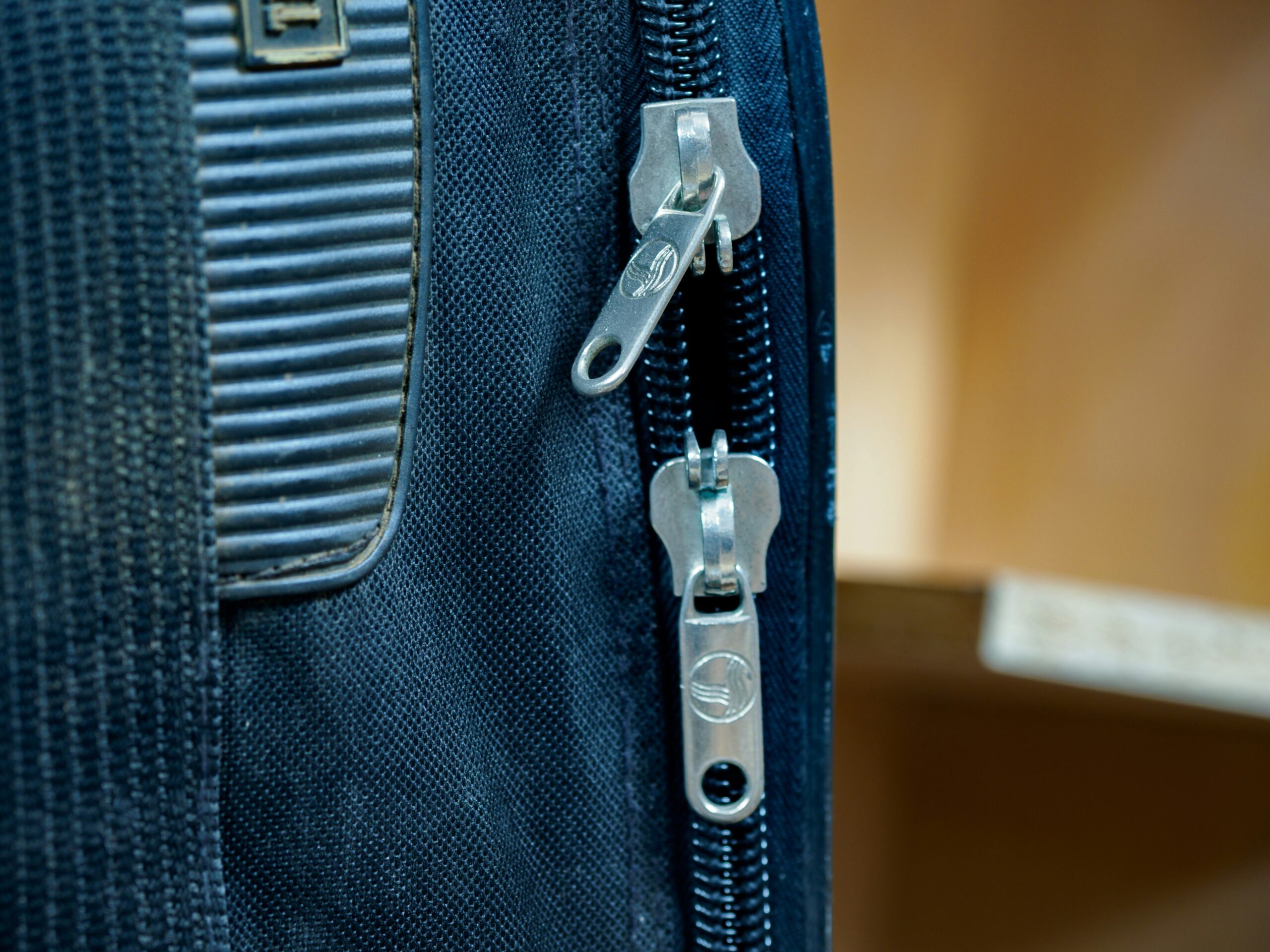
A broken backpack zipper can be frustrating, especially when the rest of the bag is still in good condition. Before replacing the entire zipper or buying a new backpack, it helps to identify exactly what has failed. Learning how to fix zipper on backpack problems starts with distinguishing between a stuck slider, separated teeth, a damaged pull, or a zipper that has been torn away from the fabric.
Parts of a zipper All zippers have three basic parts: – teeth: the links that interlock – slider: the piece that slides up and down the teeth, pulling them into position – tape: the part that secures the zipper to a bag like your backpack The trick is knowing what’s causing the malfunction; the same fix won’t apply to every type of failure, and forcing a jammed zipper can cause it to snap.
Identify the Backpack Zipper Problem First
Begin by assessing the zipper with the bag empty. Check the teeth, slider, pull, stops, and fabric near the zipper itself.
If the zipper will slide freely back and forth but not actually close the bag, the slider likely is worn or misaligned, and no longer sufficiently grip the zipper teeth. This is a frequent point of failure in backpacks and bags.
If the slider will not move at all, look for any of the usual culprits: pinched fabric, debris, dirt, bent teeth, or any other obstruction. If you have a completely broken pull but the slider actually moves up and down, it is possible you simply will need to replace the pull.
If the zipper has lost teeth or has heavily damaged tape, or it has come undone from the backpack it will require a complete replacement.
How to Fix Zipper on Backpack When It Is Stuck
A jammed zipper should never be forced with excessive pressure. Too much pulling may result in bent teeth, damage to the slider, or tearing of the zipper tape.
Empty the contents of the backpack and reduce tension around the zipper opening. Identify if a piece of lining or fabric has somehow lodged in the zipper slider. Gently pull any stray fabric backward while moving the zipper slider small amounts at a time.
If the zipper is just being stubborn to open or close, cleaning and lubricating the zipper elements may provide a solution. YKK recommends an appropriate zipper lubricant be used for stiff zipper sliders.
Apply a small amount of suitable zipper lubricant onto the zipper elements then move the zipper slider back and forth. Do not saturate the fabric as too much lubricant may contribute to dust accumulation.
Fixing a Zipper That Separates Behind the Slider
One of the more common zipper problems involves the slider moving up and down the zipper, but having the two sides of the zipper separate behind it. This typically occurs when the slider becomes worn or the gap in the opening gets large enough so it no longer brings the elements into proper contact. An interim solution can be made if the problem can be solved by slightly crimping the opening of the slider shut with small pliers.
You hope to make it just narrow enough again so that when it moves along the track, it forces the two parts of the zipper to mesh properly.
Work very gradually; make the smallest adjustment possible, then try the zipper, and make another very slight adjustment if needed. Overly tight squeeze will make the slider difficult or impossible to move, or permanently ruin it. REI provides a similar suggestion of light crimping for temporary fixes, but also emphasizes extreme care not to create damage or bind.
Replacing a Worn Zipper Slider
If the slider is damaged and beyond repair, replacing it can often be more convenient than replacing the entire zipper.
To begin, determine the type and size of zipper that you’re using. Zipper construction for bags varies, with possible types including coil, plastic-tooth, and metal-tooth, and replacement sliders must match the zipper size and construction. A slider of the wrong size can either fail to engage, or potentially damage, the teeth, whereas one of the wrong type will simply fail to zip at all. IFixit explicitly suggests identifying the zipper type before obtaining a replacement slider.
A standard slider replacement would involve a process of removing the zipper’s top stop, sliding off the worn zipper slider, sliding on the properly-sized replacement, and then reattaching the stop to secure the end of the zipper. The steps vary, depending on how the zipper itself is constructed.
When dealing with an expensive bag or a zipper sewn into a complex or hard-to-reach seam, professional repair is often the safest and most practical choice. An experienced specialist can address the problem without unnecessarily damaging the surrounding material or stitching. A full zipper replacement involves removing the old zipper, preparing the seam it sits in, precisely measuring for the new zipper, sewing the zipper into place, and reinforcing itsends.
What If the Zipper Pull Is Broken?
A missing pull is usually the simplest fix possible. The pull is the part your fingers grab when you’re zipping the thing. If this is the only piece of the zipper that is broken and the slider and zipper teeth are still fine, there is no need to replace the whole zipper!
You should be able to attach a replacement pull made to clip or slide onto the zipper slider.
A loop of very sturdy cord will work temporarily as something to grab in the mean time; iFixit even suggest using anything of a like kind as a temporary pull replacement. While attempting to repair it, move the slider back and forth to make sure it is still able to correctly engage the slider-if the slider has worn down, simply replacing the pull won’t take care of the problem.
How to Fix a Backpack Zipper That Came Off One Side
At other times, one end of the slider may fall off one row of teeth, creating an open zipper.
With certain designs, the slider can simply be removed and replaced by reaching the open ends of the zipper from one end of the zipper’s chain. The procedure consists of removing the slider, matching and aligning the zipper chain from both sides and feeding the zipper’s chain into the slider, then inserting the open ends and making sure they cannot slip out of theslider.
Getting it centered is important; if one side enters the slider slightly out of kilter, your zipper will keep pulling away or become impossible to slide open and closed.
Once it is on a slow opening run all the way from the top to the bottom, test slide slowly before just pulling and trying to use force; if it catches or continues to fail as you’re trying to make it come down it means something about alignment did not get set correctly to begin with.
When the Zipper Teeth Are Damaged
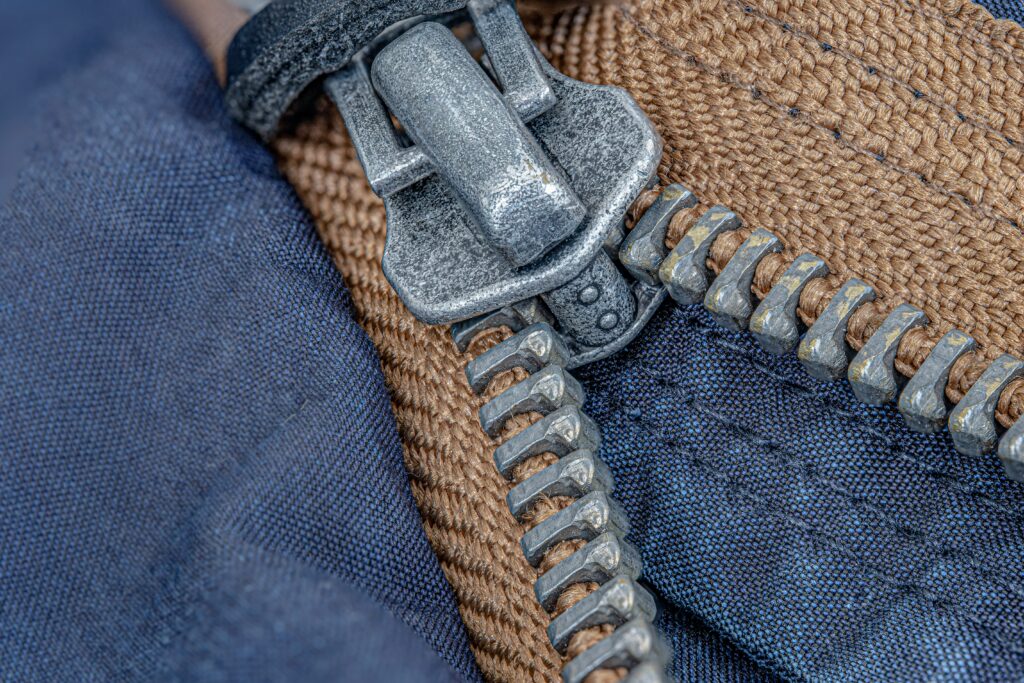
Damaged teeth are more difficult to repair than a worn slider.
Inspect the entire zipper and look for:
- Missing teeth
- Bent metal teeth
- Broken plastic elements
- Deformed coil sections
- Torn zipper tape
If only one or two elements are slightly misaligned, a careful adjustment may sometimes restore operation. However, missing or extensively damaged teeth usually mean the zipper chain cannot reliably close.
At that point, replacing the zipper or having it professionally repaired is generally more dependable than trying to reconstruct individual missing elements.
When the Zipper Is Torn From the Backpack
Another common issue, while not exactly the zipper’s mechanics, relates to the stitching holding the zipper to the backpack. When the zipper tape is still fine and the stitching simply has come loose, then the remedy for the issue involves restitching the zipper to the backpack. Loose threads should be carefully removed, then zip tape aligned with its previous seam, and the stitching reinforced.
A seam with a heavy-duty backpack that takes repeated strain from pulling and from the weight of contents needs to hold.
Weak repair will likely result in repeating the process very soon. If the zipper tape is torn, or if the backpack fabric around the zipper is frayed, simply restitching will lack support. Replacing part of the zipper, or having the entire zipper professionally replaced, could be a more robust solution.
Choosing Between a Quick Repair and Replacement
The best solution depends on what actually failed.
| Problem | Best approach |
| Broken pull only | Replace the pull |
| Stuck slider | Clean, inspect, and lubricate |
| Zipper separates behind slider | Carefully adjust or replace slider |
| Slider came off | Re-align and reinstall if possible |
| Missing or badly damaged teeth | Consider zipper replacement |
| Loose stitching | Restitch and reinforce |
| Torn zipper tape | Professional repair or replacement |
| Severely damaged zipper | Replace the zipper |
The key is to repair the smallest failed component whenever practical. A damaged pull does not require a complete zipper replacement, while a zipper with extensive tooth damage may not be worth trying to repair piece by piece.
Common Mistakes to Avoid
One of the most annoyingzipperrisks. If you have a zip that has snagged – that often can be resolved just by gently feeding it along a millimeter or two. One thing not to do, is keep forcing it, zip is snagged, then keeping on having to apply more pressure because you won’t be helping your self – will inevitably result in ripping and even more of a nightmare.
Another big gaffeis squeezinga slider with pliers.
It’s possible for you to give a slider which maybe has slipped out slightly a little tightening, butdonot over ‘do it’ becauseziplifers do not get too much of anything! Beware ofusing an incorrect zipSliderwhich might or mightnot look appropriate– stick to your ziptype andzip size for when replacing zip. Lastly, do donot go putting up with a snagging zipper section: on the off – chance, that your zippie repeatedly catches, separates or pulls so tight you need to give a helping push, check out theunderlying zip elementinstead.
How to Prevent Future Backpack Zipper Problems
Proper zipper care is key for unnecessary wear to be avoided.
Keeping the zipper path reasonably clean and not stuffing the backpack so full that the zipper is in constant stress. When closing a loaded compartment simply pull the two sides together rather than forcing the slider against too much resistance.
Slide the zipper rather than forcing/yanking. If the mechanism begins to bind, drag, or move unevenly, address the issue as soon as possible. Correcting minor problems early can prevent them from developing into more serious or difficult-to-repair issues. YKK suggests keeping zipper components clean with the appropriate zipper care products, as necessary.
Occasionally check your zippers for: loose stitches or damaged tape, bent teeth, or slider that is starting to spread teeth apart.
When Professional Repair Makes More Sense
Repairing every broken zipper on a backpack is not recommended as a DIY solution. If the zipper has been sewn into more than two fabric layers; if the backpack is made of sturdy, technical fabrics; if there is damage across the zipper tape (and not just a few teeth); or if a substantial part of the zipper requires replacing, then consider taking the backpack to a professional repair shop. Replacing the entire zipper of a backpack includes removing the old one, preparing the seam, cutting a new one to fit, sewing the new zipper on, and re-securing any reinforcing points on the new zipper.
An inexpensive, casual backpack may simply be worth it to replace completely after damage, rather than to repair fully.
For a high-quality backpack, however, professional repair might add years to the bag’s life and be a worthy expenditure.
Final Takeaway
Knowing how to fix zipper on backpack starts with diagnosing the actual failure instead of immediately replacing the entire zipper. A broken pull, stuck slider, loose slider, alignment problem, damaged teeth, and torn stitching all require different approaches.
Small problems can usually be solved with good cleaning, adjustment, or a new pull. A worn slider may have to be adjusted, loosened, or replaced and badly broken teeth or tapes would need a new zipper. Proceed with care, use a light touch on any adjustment, use parts that are designed to work together with your zipper, and don’t be afraid to let your zipper go to a repair shop.
Frequently Asked Questions
How to repair backpack zipper without replacing it?
In some cases. In case the zipper is suffering from an issue with the pull, slight misalignment or a worn slider, it may be a simple repair job as opposed to the full zipper being replaced. However, in the event that there is an issue with many of the teeth or the tape element you will likely need to be getting a new zip fitted.
Why is my backpack zipper always parting on me?
This is often an issue with the zipper slider that is worn or misshapen. If the slider is not properly holding together the teeth then the zip can part as it is being operated. The simplest solutions here are typically adjusting or replacing the slider.
Will pliers fix my zip slider?
Small pliers may be useful to re-tighten a worn zip slider, however, you need to be extremely gentle not to further damage the slider itself or indeed the zip operation may become stiff or even break.
What do I do if my zipper is stuck?
Before attempting anything drastic, take pressure off the zipper and look very closely for any trapped material, particularly fabric, dirt, or anything jamming the zipper teeth. Try cleaning the zipper elements and then use an appropriate lubrication for zippers. Do not try to force the slider with extreme pressure.
Can a broken zipper pull be fixed?
Yes. If the main zipper mechanism is still working well, you only really need to repair or replace the pull tag on the slider.
When do I need to replace a complete zip?
If you have many missing or broken teeth on the zipper, the tape element has completely torn or if the damage is severe enough that the zip slider will just not engage and operate correctly, it would likely be best to replace the full zipper.
How to make a backpack zip last longer?
Regularly clean your zip, don’t stretch the fabric excessively when operating the zip, ensure you pull and push the zip slider smoothly, and address any early signs of the zip getting stiff or not working properly.